
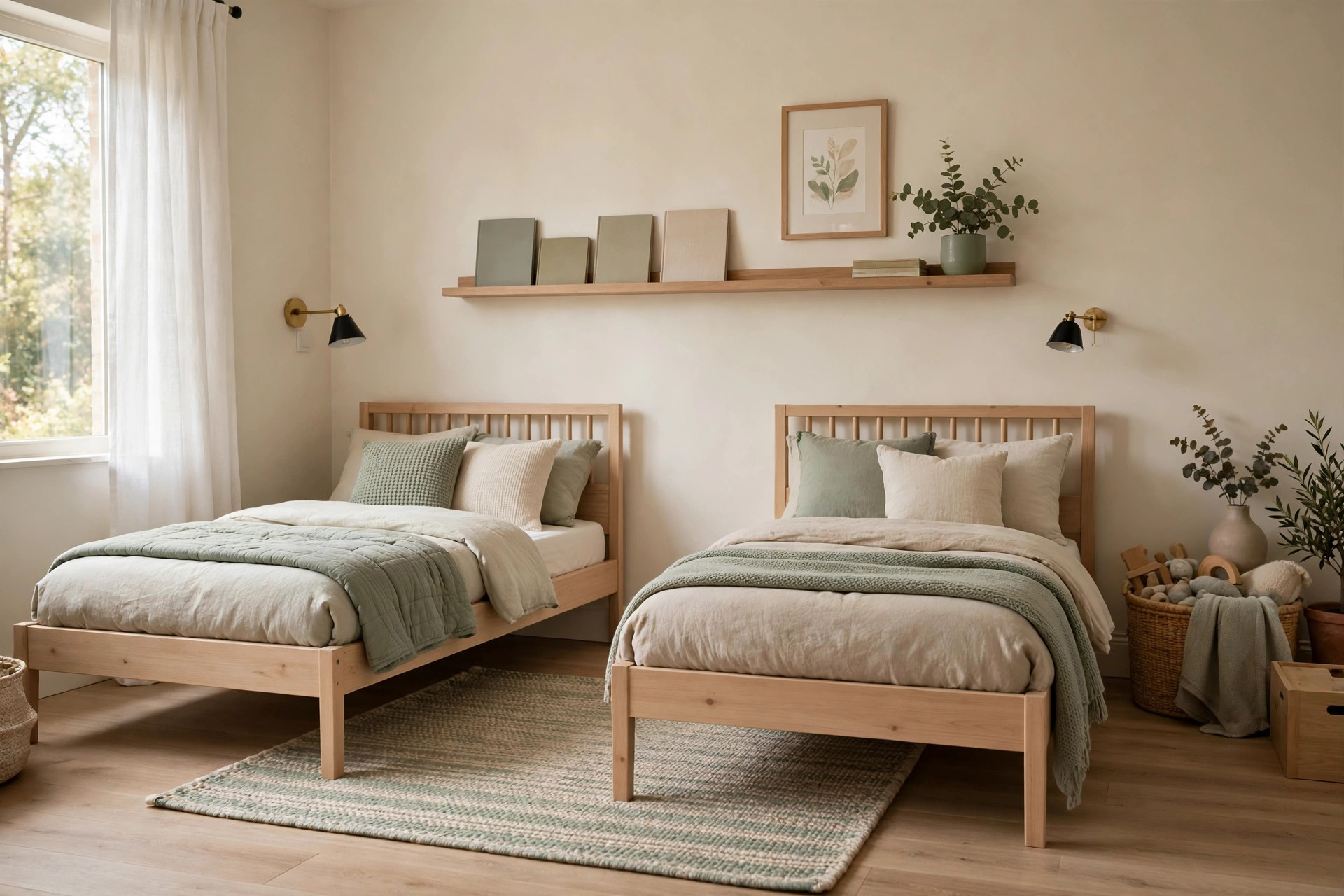
Sharing a bedroom can be the thing siblings remember most fondly, or the thing they bicker about daily. Usually it comes down to how the room itself is set up. When each child has a fair share of space, a spot that feels like their own, and a bed they actually love climbing into, the sharing part gets a whole lot easier.
The good news is you do not need a big room to make it work. Most shared kids bedrooms just need a little planning, a few matching basics, and clear zones so nobody feels like a guest in their own space. A shared room can honestly feel roomier than two cramped separate ones when the layout is right.
Below are 20 shared kids bedroom ideas grouped by the problems they solve, from splitting the room fairly to choosing beds, storage and colors that keep the peace. Start with the fairness basics, then layer in the fun stuff.
Splitting the Room Fairly
Fairness is the foundation of every happy shared room, and kids notice uneven setups faster than adults do. These first ideas are about drawing clear lines without making the room feel divided or tense.
Split the room down the middle, at least on paper. Before you move any furniture, decide where the shared middle ends and each child’s side begins. A rug or a low bookshelf along that invisible line usually makes the split feel real without building any walls. Once each side is roughly the same size, a lot of small arguments quietly disappear.
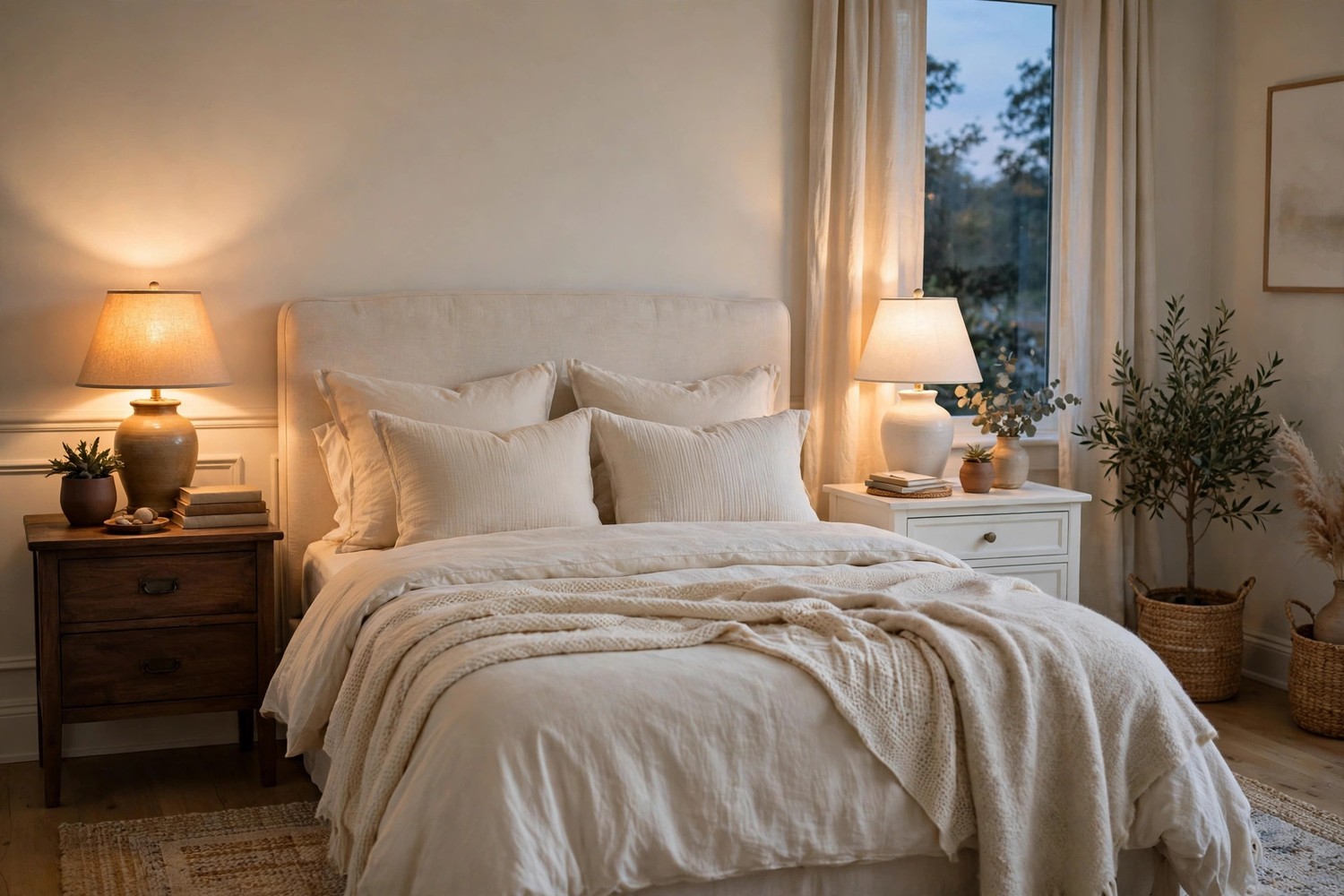
Give each child a matching bedside spot. A small shelf, a tiny table or even a wall ledge beside each bed gives both kids the same comforts. It typically holds a book, a water cup and one treasured thing, and because both sides match, nobody feels short changed. Matching does not have to mean identical, just equal.
Add a personal light for every bed. A clip on reading light or a small wall lamp for each child means one can read while the other sleeps. It sounds minor, but bedtime usually runs much smoother when lights are not an all or nothing decision. Warm, low light also makes the whole room feel calmer at night.
Use a low divider that still lets the room breathe. An open bookcase, a curtain on a ceiling track or a row of storage cubes can mark the boundary between sides. The trick is keeping it low or open so the room still feels like one shared space, not two tiny cells. Dividers with shelves do double duty, since both sides gain storage.
Let each child choose one thing for their side. A cushion, a poster or a blanket in their favorite color gives every child a visible say in the room. That small bit of ownership usually makes kids more willing to compromise on everything else. It also keeps the room from looking like it was designed for nobody in particular.
Bunk and Loft Beds
When floor space is tight, going up is usually the smartest move you can make. Bunks and lofts free up the floor for playing, desks and storage, and most kids find sleeping up high genuinely exciting.
Bunks
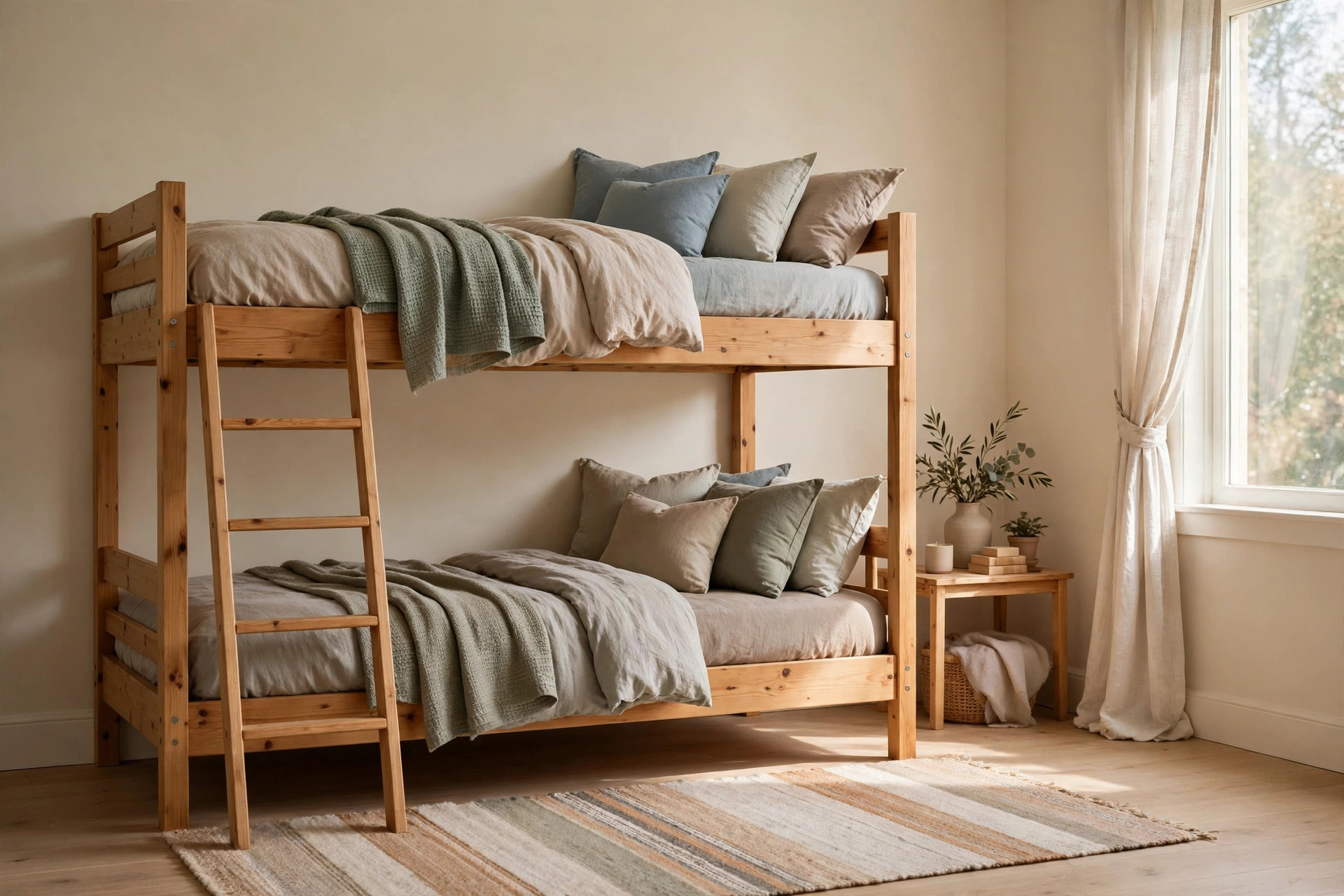
Choose a sturdy bunk in natural wood. A wooden bunk bed in a warm, simple finish tends to suit almost any shared room and grows with the kids better than themed designs. Look for solid rails and a ladder that feels firm underfoot, because wobbly ladders usually end up avoided. Wood also pairs easily with any bedding colors you change later.
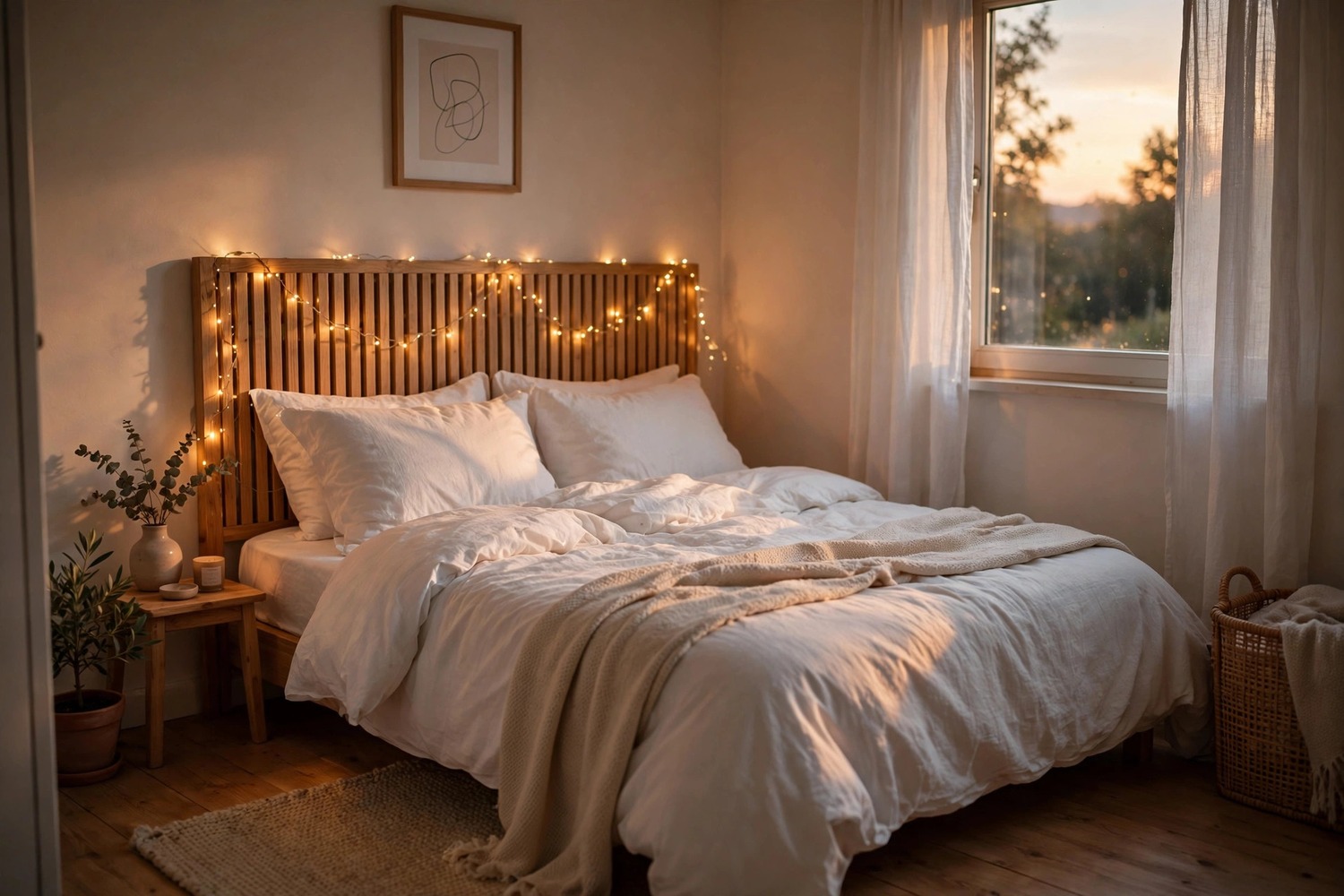
Make the top and bottom feel equally special. The top bunk gets the view, so give the bottom bunk its own charm with a cozy cushion, a curtain or a string of soft lights. When both spots feel like a treat, the nightly negotiation over who sleeps where usually settles down. Swapping bunks every few months is another simple fairness trick many families use.
Add storage into the bunk itself. Bunks with drawers under the bottom bed or shelves built into the headboard squeeze storage out of furniture you already have. In a shared room, every extra drawer counts, because two kids produce roughly double the pajamas, books and random treasures. Under bed drawers also keep the floor clear for play.
Lofts
Use a loft to create a whole zone underneath. A loft bed lifts the sleeping spot and frees the floor below for a desk, a reading nook or a small play corner. This works especially well when one child is older and needs homework space while the other still plays on the floor. It is one of the hardest working layouts a shared room can have.
Pair one loft with one regular bed. If two lofts feel like too much, one lofted bed and one standard bed can balance the room nicely. The regular bed keeps the room feeling grounded, and the space under the loft becomes shared storage or a desk both kids use. This mix usually suits siblings with a bigger age gap.
Two of Everything: Storage and Desks
Shared rooms rarely fall apart over the big furniture. They fall apart over the daily stuff, the school books, the socks, the art supplies that somehow multiply overnight. Doubling the everyday essentials keeps things fair and surprisingly tidy.
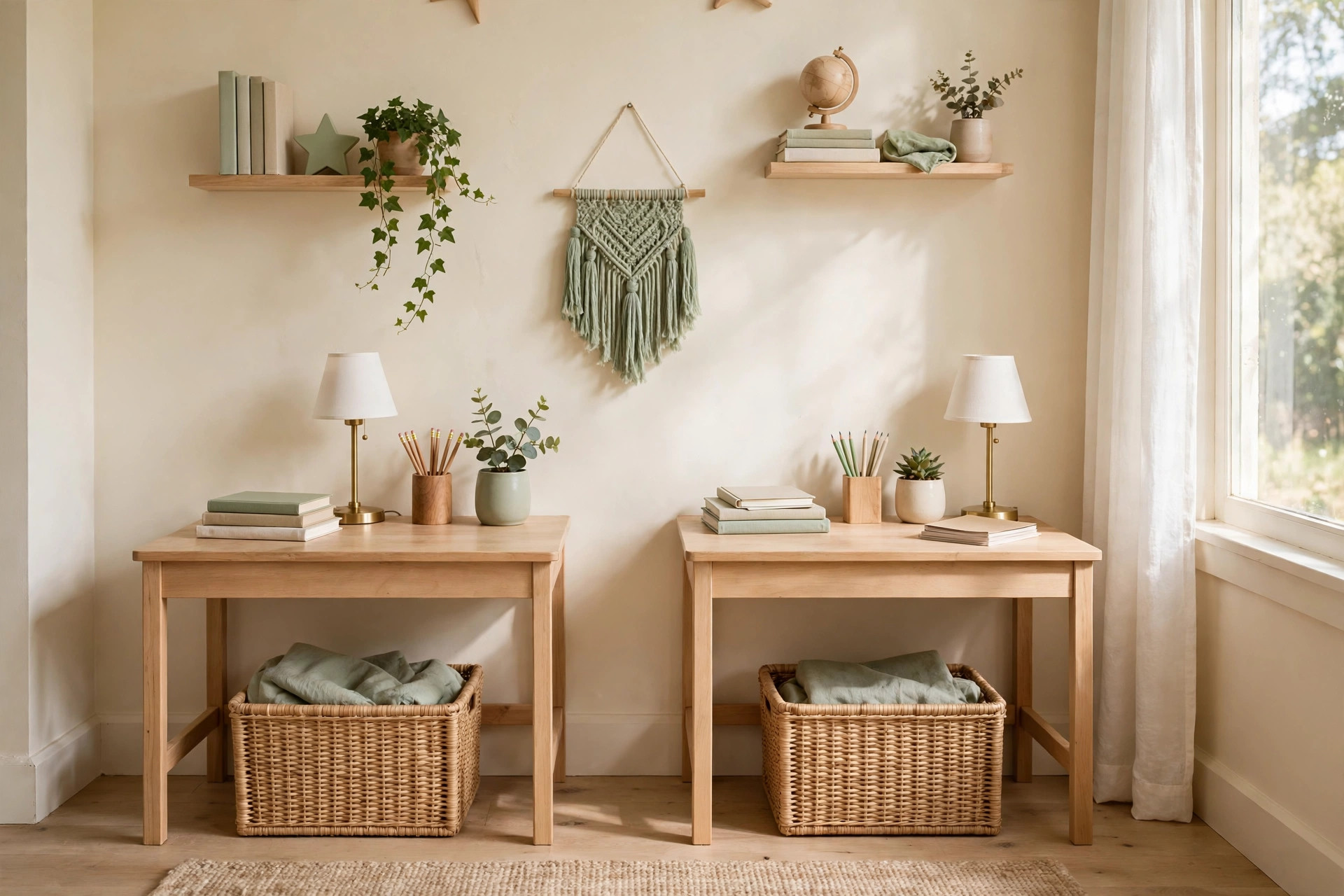
Set up two small desks side by side. One long desk with two chairs, or two matching small desks in a row, gives each child a defined homework and drawing spot. Matching baskets under each desk keep their papers and supplies separate, which usually ends the classic that is mine argument. A shared lamp or two individual ones can sit at either end.
Give each child their own dresser drawers. Shared wardrobes work, but personal drawers matter, because kids like knowing exactly where their things live. You can split one dresser down the middle or use two slim matching units. Labeling is not always needed, but assigning the drawers clearly from day one usually prevents slow territorial creep.
Add a personal basket or bin for each child. A named basket for each sibling catches the odds and ends that never have a home, from hair clips to toy cars. When tidy up time comes, each child only has to sort their own basket, which typically makes cleanup faster and fairer. Woven or fabric baskets in the same style keep it looking calm.
Hang two hooks and two shelves at kid height. A hook for each backpack and a shelf for each child’s current favorites stops the morning scramble at the door. Keeping them at the same height and size matters, because kids measure fairness with their eyes. These small wall spots also give each child a tiny display area that is fully theirs.
Keep one shared shelf for shared things. Board games, building sets and books both kids love belong on a shelf that is clearly communal. Having one obviously shared spot actually protects the personal zones, since everything else has a home that is not up for debate. A low shared shelf in the middle of the room usually works best.
Keeping the Peace with Zones and Color
Color is the quiet peacekeeper in a shared room. It can mark territory gently, calm things down at bedtime, and still let each child’s personality show. These last ideas pull the whole room together.
Pick one calm base color for the whole room. Warm ivory, soft white or a pale warm gray on the walls gives the room one peaceful backdrop. A shared base usually keeps the space feeling bigger and less busy than two strong colors fighting each other. You can always bring personality in through bedding and cushions instead.
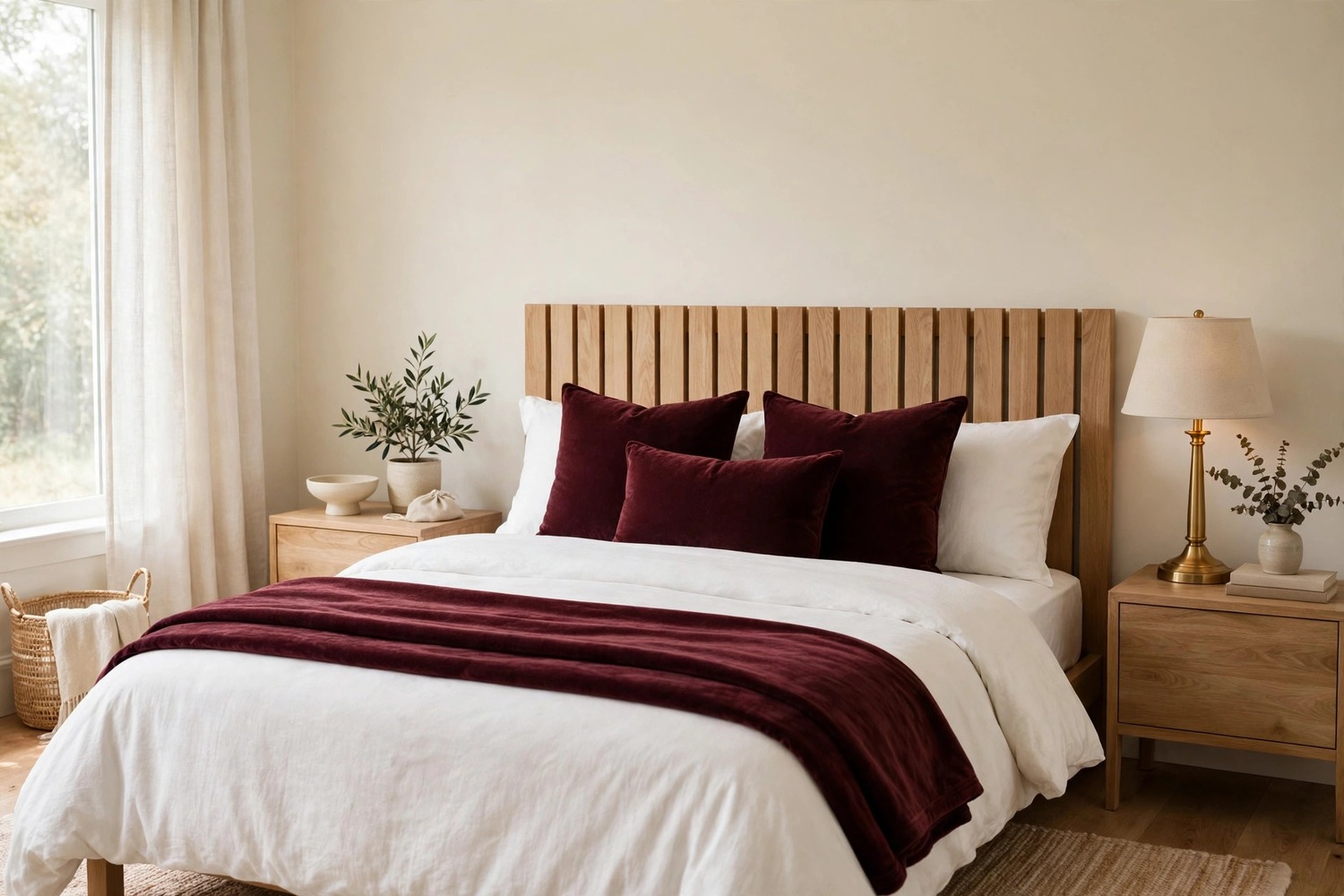
Give each side its own accent color. Once the base is calm, let each child pick an accent, like soft sage for one side and a muted clay or dusty blue for the other. Pillows, throws and a cushion or two in that color mark the zone without any paint battles. Choosing muted versions of their favorites typically keeps the room feeling restful.
Use bedding to do the zoning for you. Two beds in the same bedding but different accent colors is the simplest zoning trick there is. The room looks coordinated in photos and clearly divided in real life, which is a rare win for both parents and kids. A shared throw or rug in the middle ties the two sides back together.
Create one shared cozy corner. A shared rug, a couple of floor cushions and a basket of books in one corner gives siblings a place that belongs to both of them. Shared rooms work best when there is at least one spot designed for being together, not just side by side. It usually becomes the storytelling and card game corner within a week.
Rotate the personal touches, not the furniture. Kids outgrow posters and favorite colors fast, so keep the big pieces neutral and let the small things change. Swapping art, cushions and shelf displays a few times a year keeps the room feeling fresh and fair without any redecorating. Each refresh is also a good moment to check that both sides still feel equal.
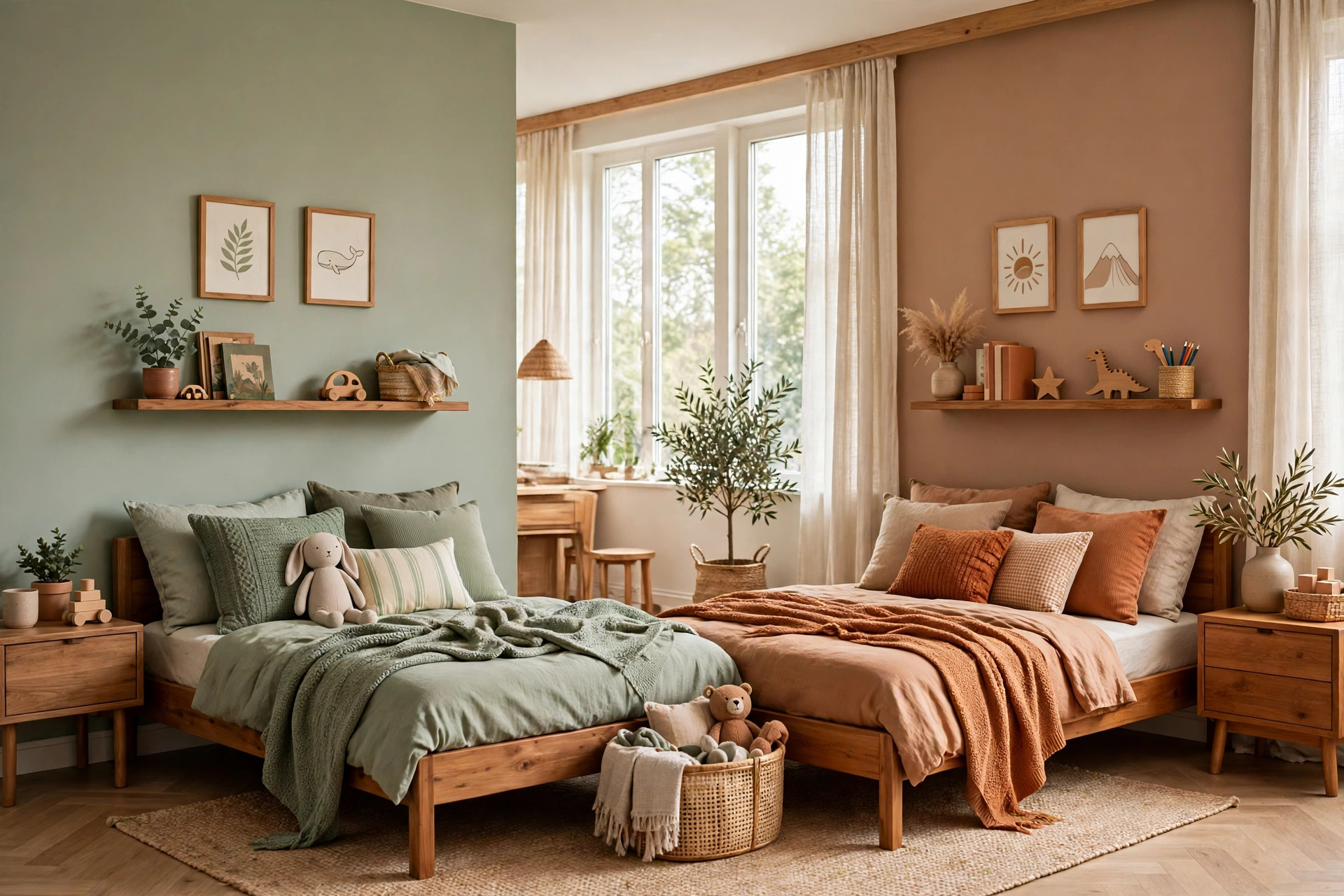
A shared bedroom does not have to feel like a compromise. With a fair split, beds the kids love, doubled up storage and gentle zones of color, it can honestly become the warmest room in the house. Start with equality, add a little personality on each side, and let the siblings do the rest.

Leave a Reply