
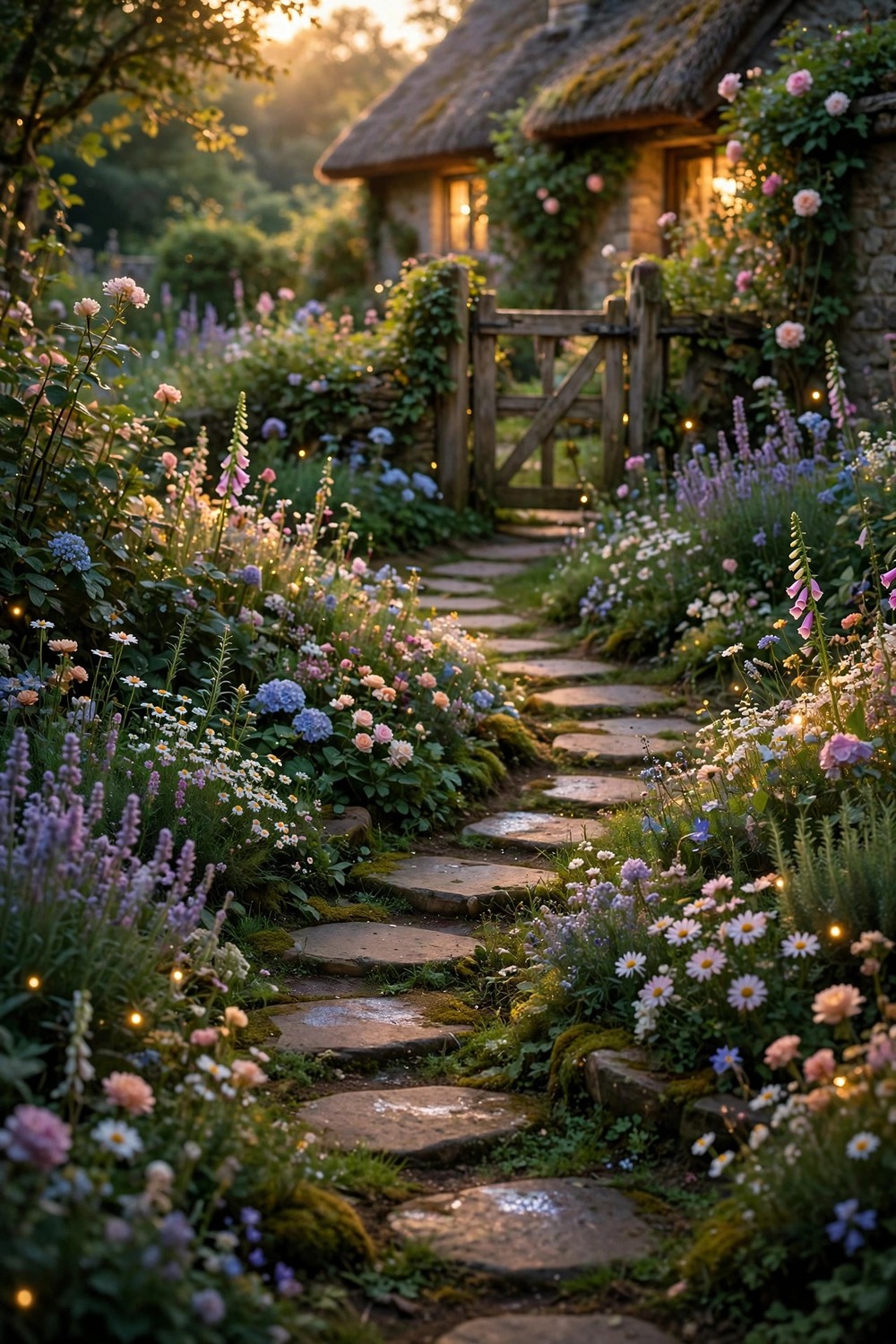
18 Garden Pathway Ideas with Whimsical Charm
A garden path has two jobs, and only one of them is keeping shoes out of the mud. The other is storytelling. A path decides what visitors see first, what stays hidden around the bend, and whether the walk to the shed feels like a chore or a tiny adventure. The whimsical paths understand this, and they make even a small garden feel like a place with secrets.
Whimsy in a path is rarely about novelty. It is about a curve where a straight line would do, a mosaic stone among plain ones, a tunnel of roses that makes you duck, or a row of tiny lanterns that turns the evening walk to the compost bin into a procession.
Here are 18 garden pathway ideas with whimsical charm, from mosaic stepping stones and storybook brick to glowing edges, living tunnels, and paths that pretend to be streams. Choose the one that suits your garden’s sense of humor, and build it a section at a time.
Contents
- 1. Mosaic Stepping Stone Path
- 2. Curved Storybook Brick Path
- 3. Log Slice Path
- 4. Pebble Stream Path
- 5. Painted Stone Path
- 6. Grass and Paver Checkerboard Path
- 7. Fairy Light Path
- 8. Rose Arch Tunnel Path
- 9. Herb Edged Path
- 10. Woodland Fern Path
- 11. Glow Stone Path
- 12. Miniature Lantern Path
- 13. Broken China Mosaic Path
- 14. Stepping Stones Across a Lawn Sea
- 15. Winding Gravel Path with Edging
- 16. Flower River Path Edge
- 17. Hidden Destination Path
- 18. Moon Gate Garden Path
Storybook Path Surfaces
Start with what is underfoot. A path surface with pattern, texture, or a joke in it carries the whimsy all by itself, even between plain green borders.
1. Mosaic Stepping Stone Path
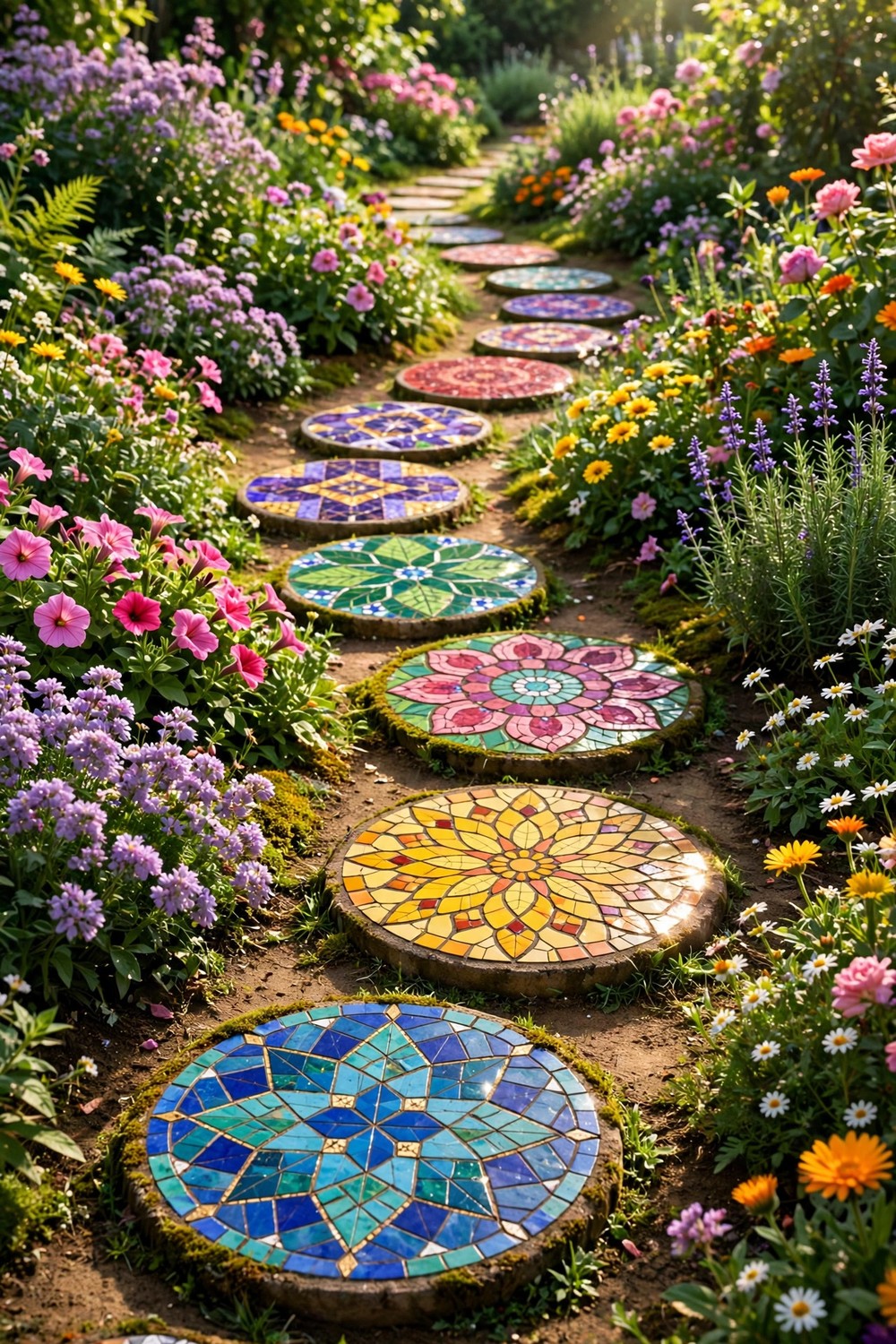
Scatter mosaic stones along the walk. Every third or fourth stone a handmade mosaic, a sun, a flower, a ladybird, turns a plain stepping stone path into a treasure hunt. Children will hop only on the special ones, and adults will slow down despite themselves. Make the mosaics as the path grows, one a month, and in a year the walk to the back gate will be the garden’s most told story.
2. Curved Storybook Brick Path
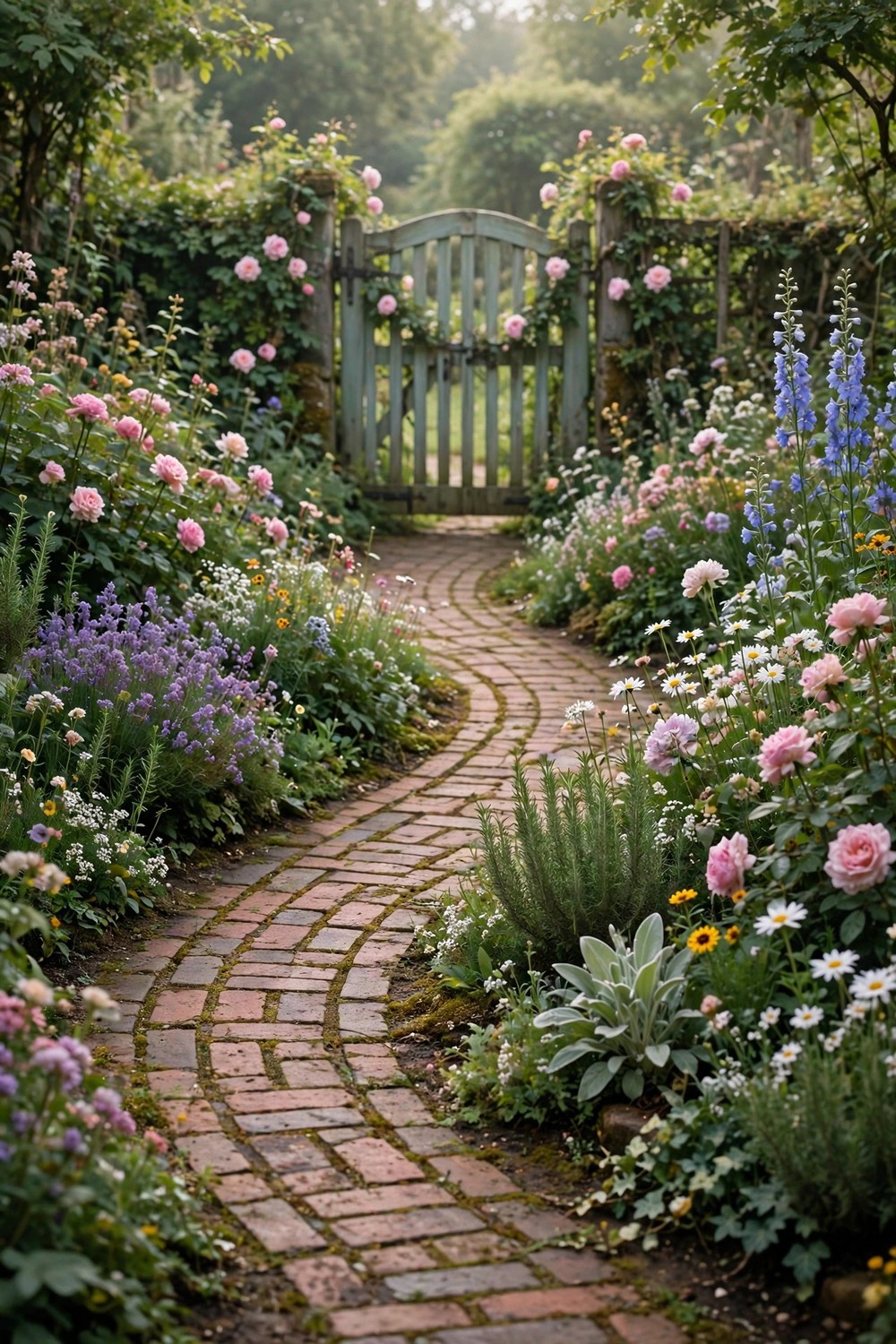
Curve a brick path and let it wander. Old brick laid in a gentle curve, with borders crowding in and the destination hidden, is the path from every illustrated storybook. The curve is the whole trick, because a path you cannot see the end of promises something around the bend. Lay it slightly unevenly with moss in the joints and it will look as if the garden grew around it over a hundred years.

3. Log Slice Path
Step from log slice to log slice. Thick rounds of sawn log set into gravel or soil make a path that belongs in an enchanted wood, and in a shady garden they feel inevitable. Real wood softens and silvers with weather, and cement faux log rounds, cast and colored, last forever while telling the same story. Either way, the irregular spacing makes walkers look down and smile, which is a path doing its second job.
4. Pebble Stream Path
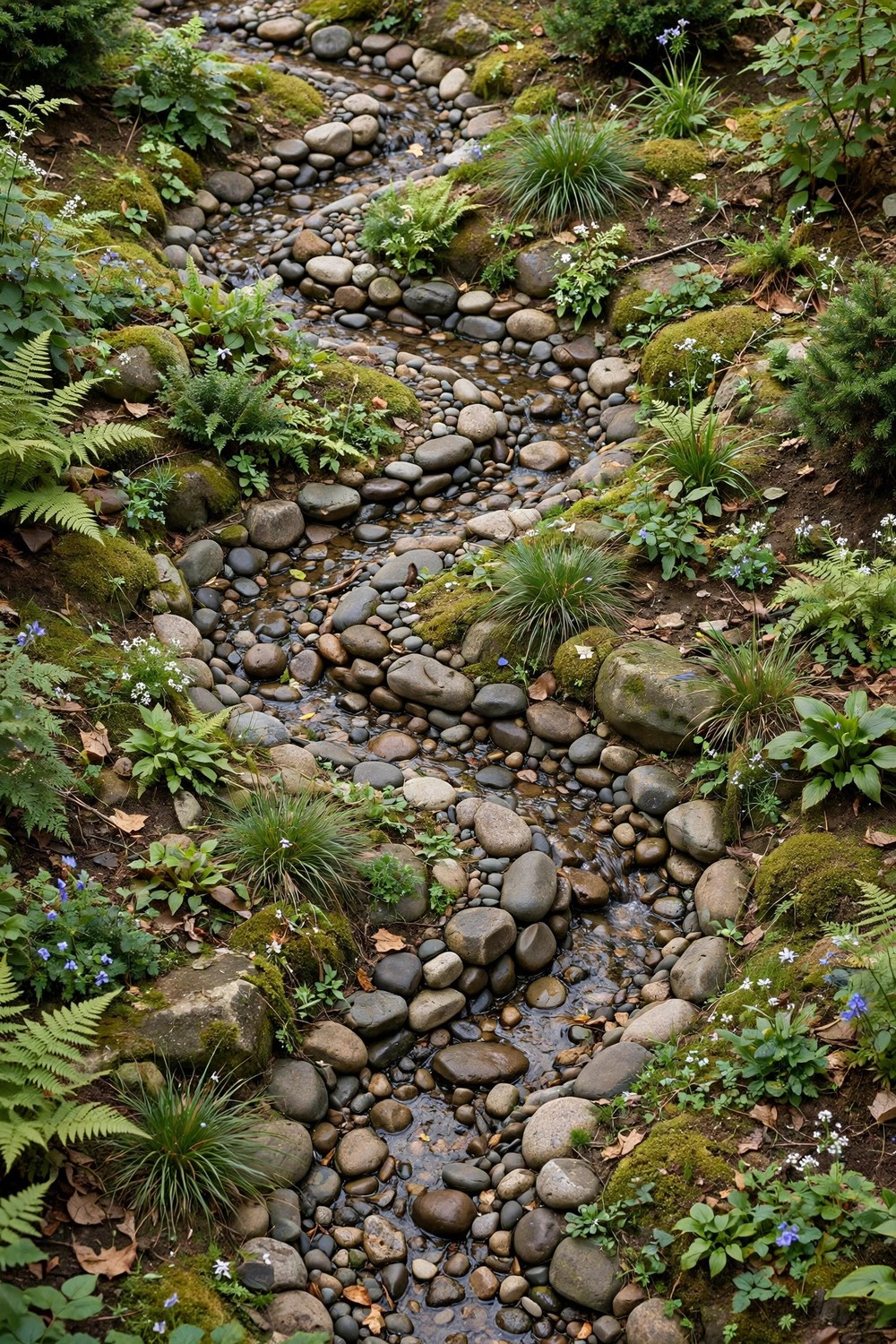
Let the path pretend to be a stream. A winding ribbon of smooth pebbles, edged with larger stones as banks and planted with grasses at the bends, flows through the garden like water that decided to stay. Cross it with a tiny plank bridge where the real path meets it and the illusion completes itself. It is whimsy at landscape scale, and it works in the driest garden imaginable, because this stream never needs rain.
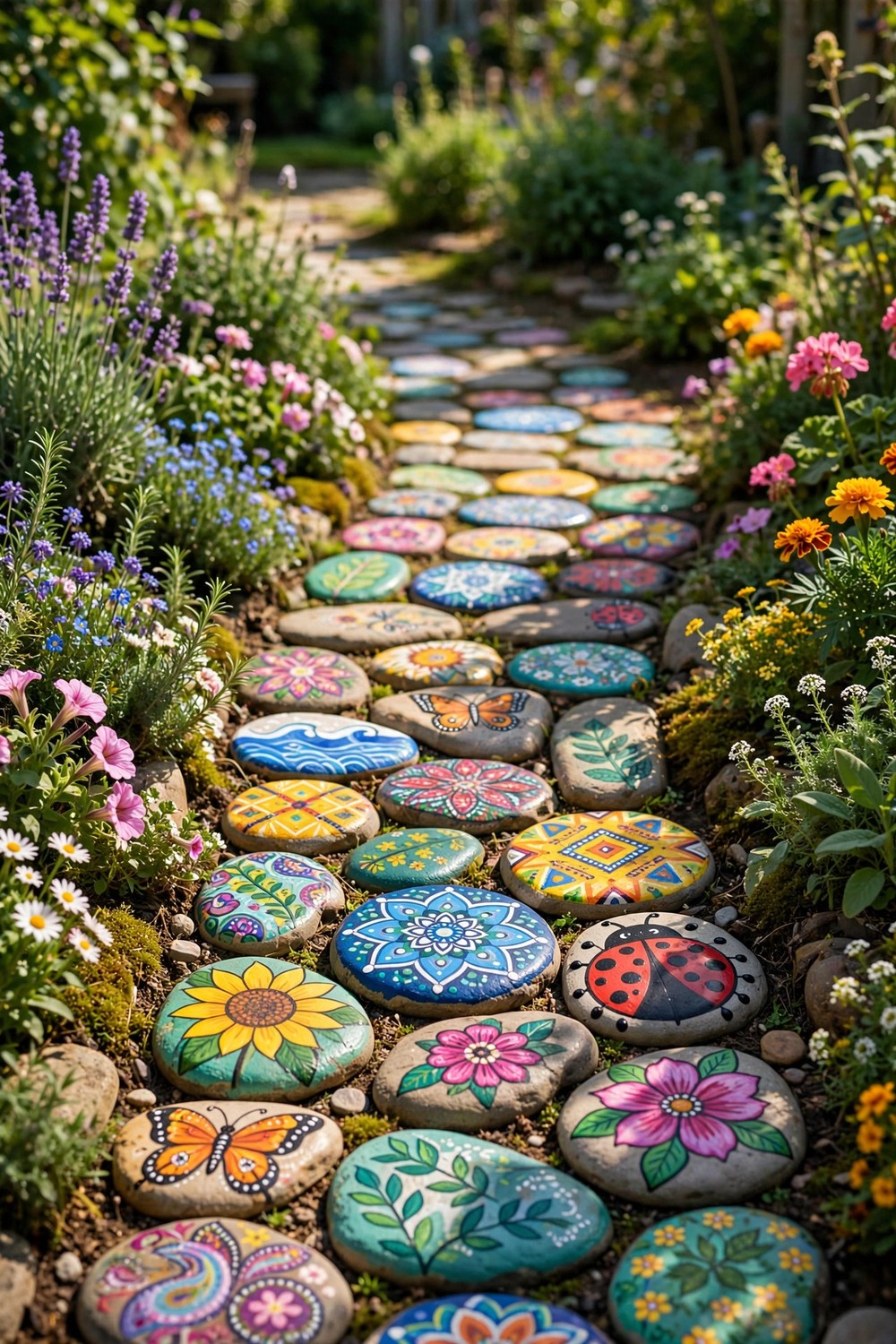
5. Painted Stone Path
Paint a few stones and start a tradition. Smooth stones painted with simple patterns, dots, stripes, tiny flowers, by family members and visiting children, set here and there along a path, make the garden’s history visible underfoot. It is the most personal path on this list, and it grows one painted stone per summer holiday. Seal the artwork well, and expect the first stone to be the one everyone photographs.
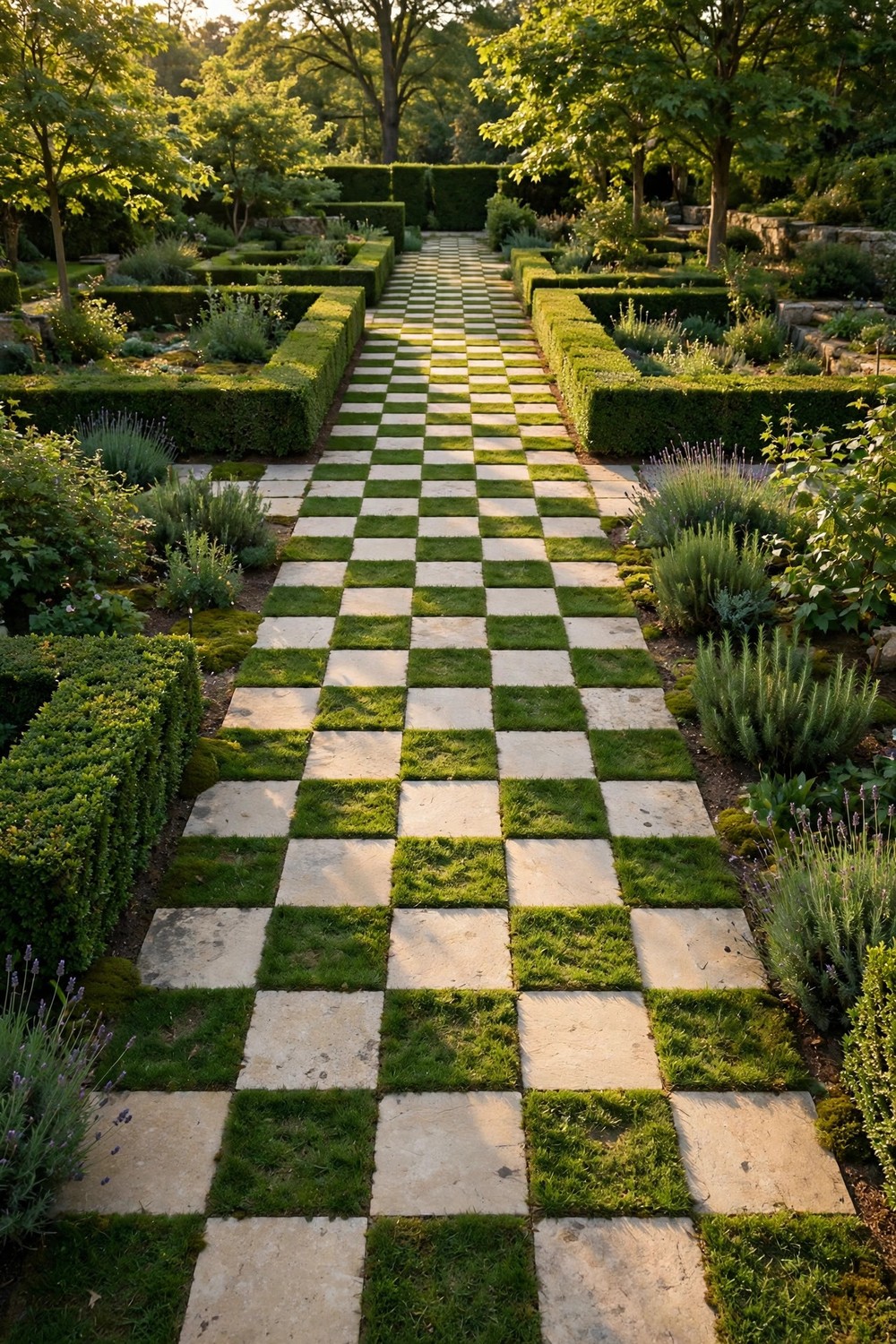
6. Grass and Paver Checkerboard Path
Alternate pavers and grass in a checkerboard. Square stones set in a lawn with grass growing in every other square make a path that is half garden, half game board. It suits formal and cottage gardens alike, looks designed from the upstairs window, and keeps feet dry while the lawn stays a lawn. Mowing it is a small ceremony, and the pattern forgives a great deal of real life in between.
Paths with Light, Scent and Green Tunnels
A path is an experience, not just a surface. Light it, scent it, or roof it with leaves, and the shortest walk becomes the garden’s evening entertainment.
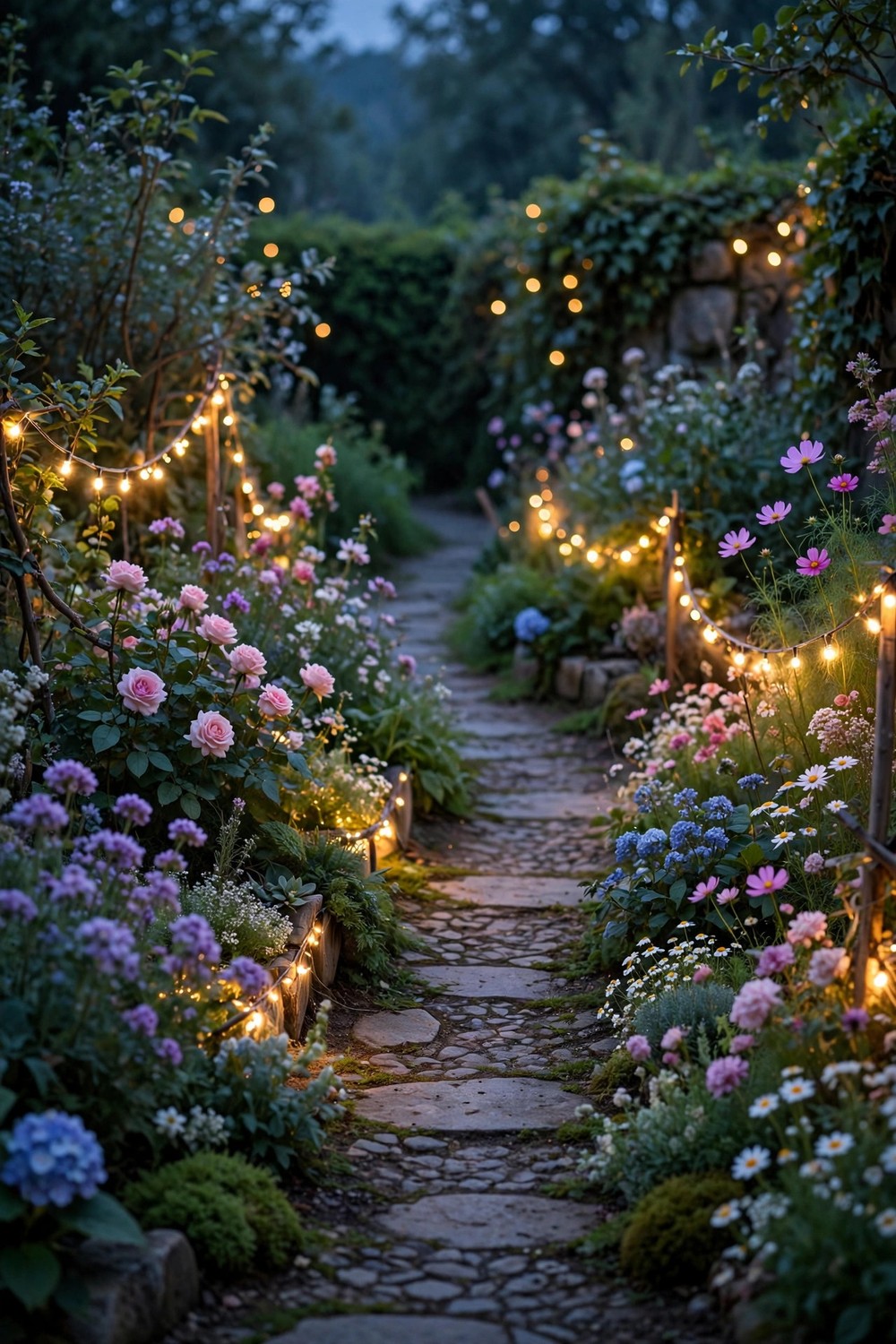
7. Fairy Light Path
Edge the path with fairy lights. A thread of warm fairy lights along a path’s edge, on low stakes, wound through the border plants, or in jars set into the ground, makes the evening garden navigable by magic. It costs almost nothing, moves in minutes, and turns the walk to fetch herbs for supper into a small festival. Solar versions handle themselves completely, charging by day for their nightly performance.
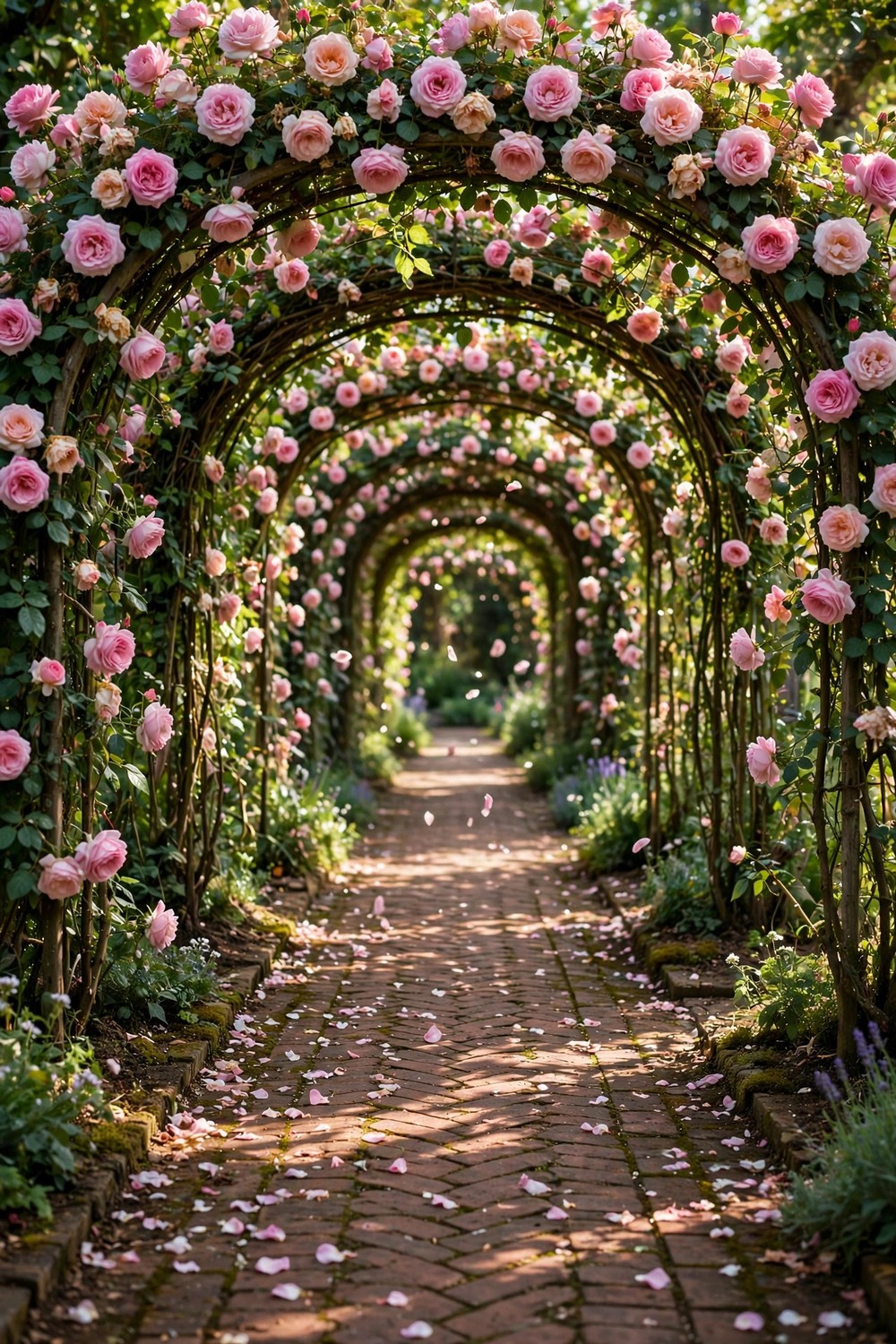
8. Rose Arch Tunnel Path
Grow a tunnel of roses over the path. A series of simple arches over a path, planted with climbing roses or jasmine, creates a green tunnel that blooms, scents the whole walk, and makes arriving at the other end feel like an event. It is the most romantic idea here, and the one guests will describe at work on Monday. Keep the arches generous, because a tunnel you must duck through is charm, and one you must fight is gardening.

9. Herb Edged Path
Edge the path with herbs that answer back. Lavender, creeping thyme, rosemary, and chamomile planted tight along a path’s edges release scent with every passing brush of a leg or skirt. The path becomes a perfumed corridor, and in the evening, when warm air holds scent low, it is intoxicating in the gentlest way. Herb edges also forgive the path’s narrowness, because nobody minds a corridor that smells like Provence.
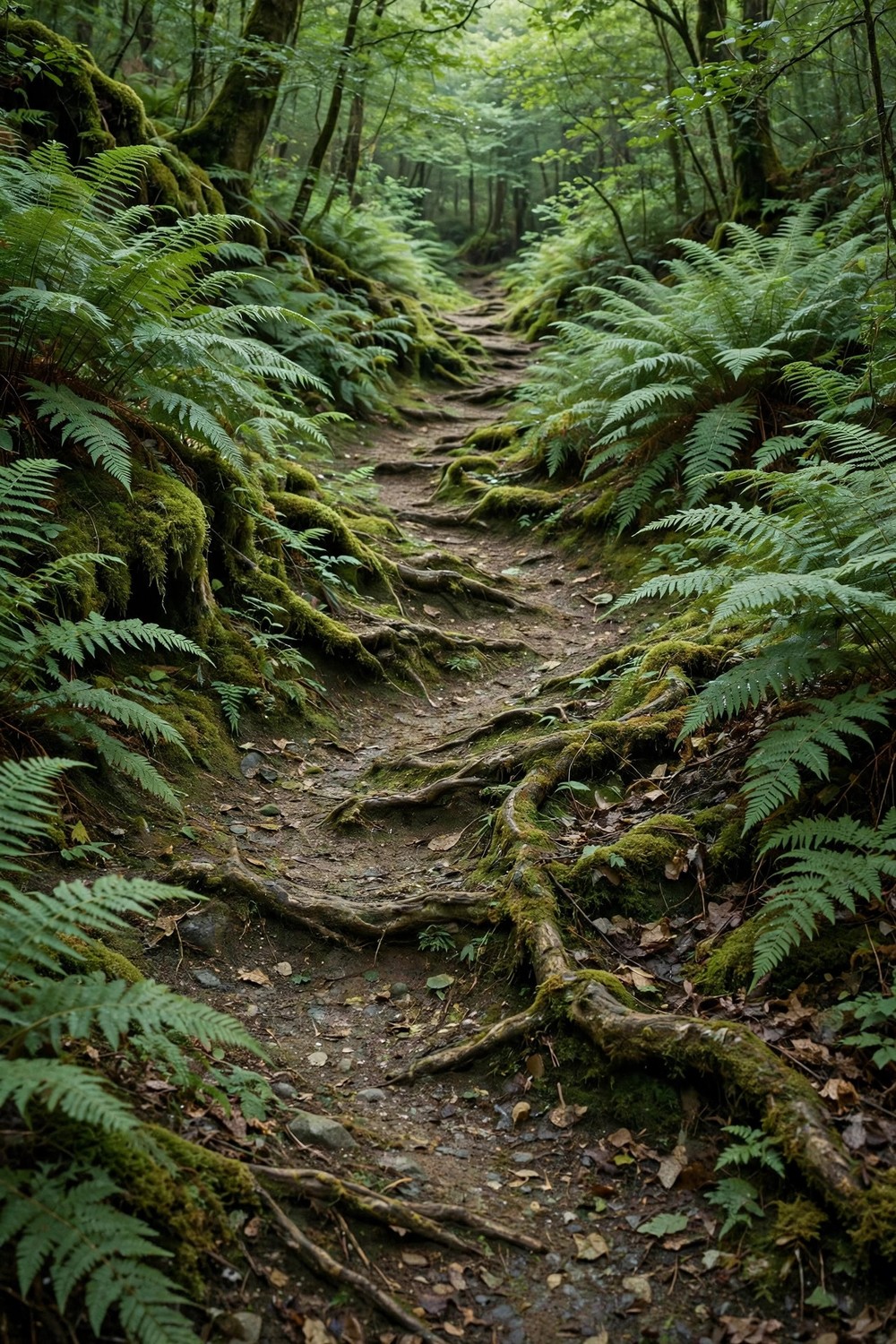
10. Woodland Fern Path
Wind a fern path through the shade. In a shaded garden, a narrow winding path of bark, gravel, or stepping stones between banks of ferns and hostas feels like a walk in old forest, cool and green and slightly secret. The whimsy is in the concealment, the path forever turning. Add a small bench or a stone animal half hidden in the ferns and the story completes itself for every child who finds it.
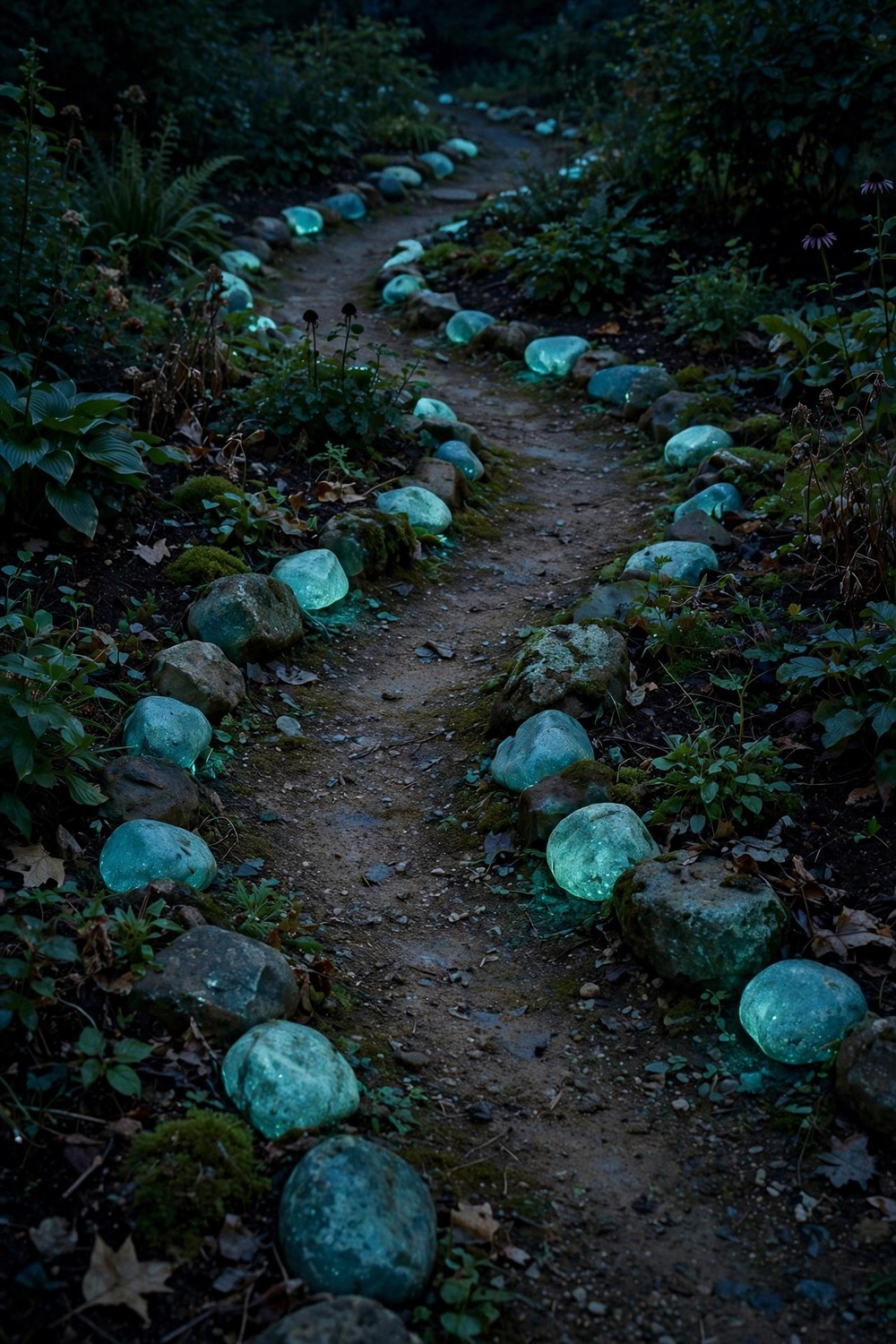
11. Glow Stone Path
Edge the path with stones that glow. Glow in the dark pebbles and stones, charged by the day’s sun, scattered along a path’s edge or set into its surface, light the way like a trail of moonlight. The effect is gentle rather than bright, a dotted line you follow by instinct. Children consider a glowing path proof that the garden is magic, and they are not entirely wrong.
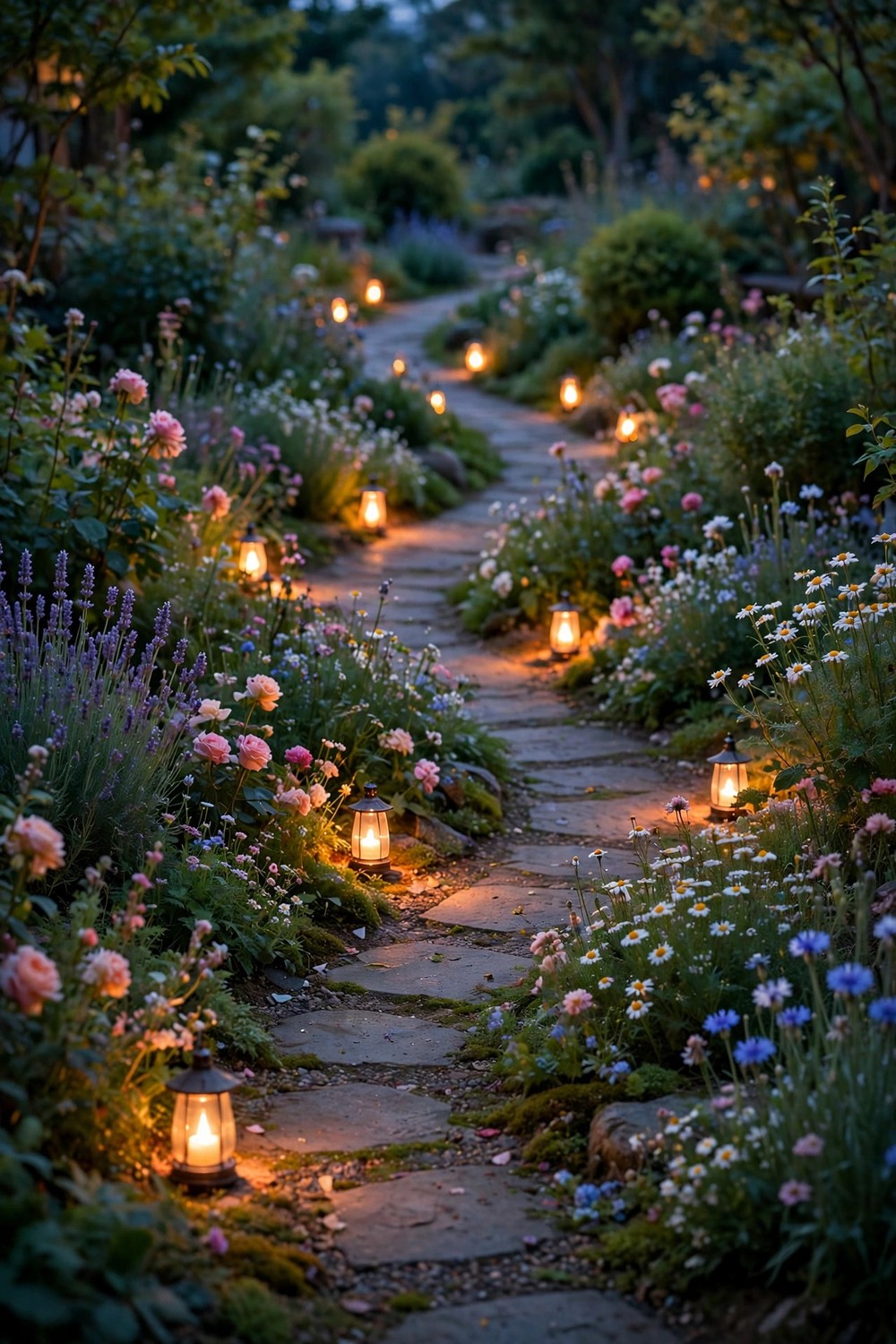
12. Miniature Lantern Path
Line the path with miniature lanterns. Small lanterns, solar or candle lit, set at intervals along a winding path, give the garden a procession of tiny lights that makes even a short walk feel ceremonial. They suit evening gardens and entertaining, marking the route like a friendly airport for humans. Group them a little unevenly, because perfect spacing is for runways, and this is a garden.
Destination Paths and Grand Gestures
The boldest whimsical paths are about choreography, hiding the destination, spilling flowers along the banks, and arriving somewhere that makes the walk worthwhile.
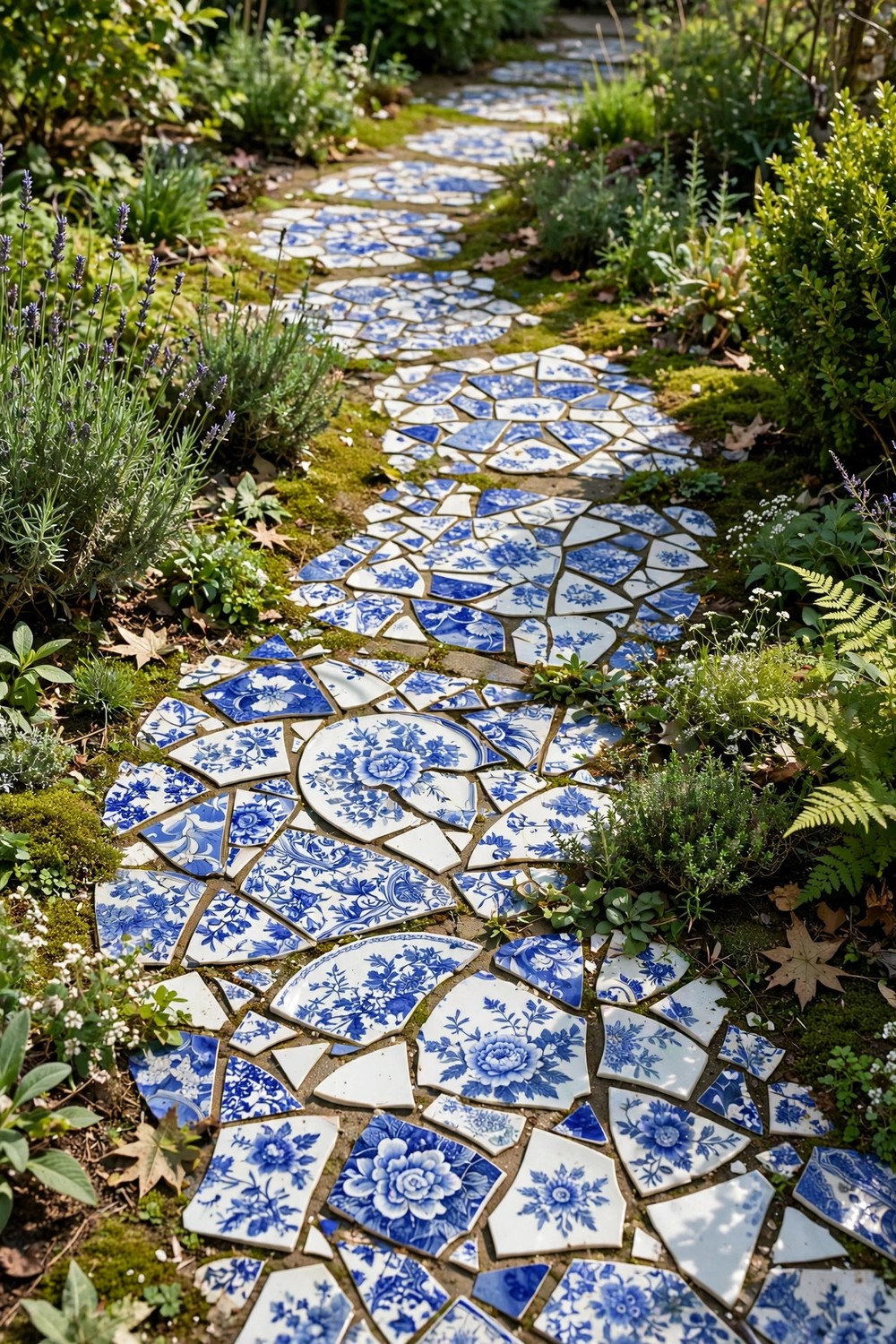
13. Broken China Mosaic Path
Pave a whole path in broken china mosaic. Blue and white china shards set in cement make a path like a Delft pavement that wandered outdoors, patterned, gleaming after rain, and entirely unique. It is a labor of love best done as a short path or a patio medallion, built over seasons as china accumulates. Every broken plate in the house becomes a contribution rather than a loss, which changes how a person feels about dropping things.
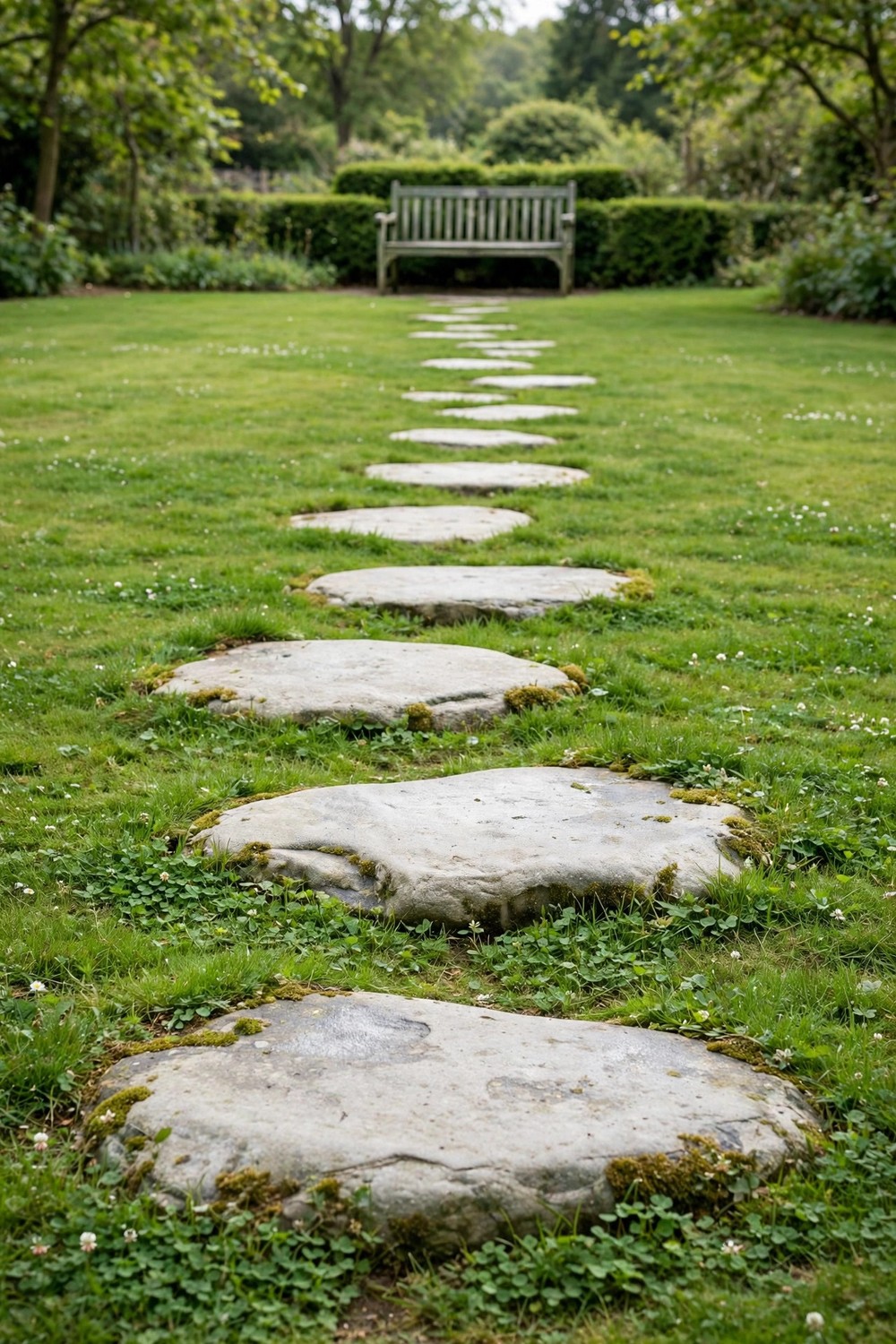
14. Stepping Stones Across a Lawn Sea
Float stepping stones across the lawn. A gentle arc of large, flat stones across an open lawn reads as a crossing over green water, especially when the stones are generous and slightly irregular. It keeps the lawn whole, gives feet a dry route, and from the house the arc is pure calligraphy. Set the stones at a natural stride, because a path that fights your legs is whimsy that failed its first job.
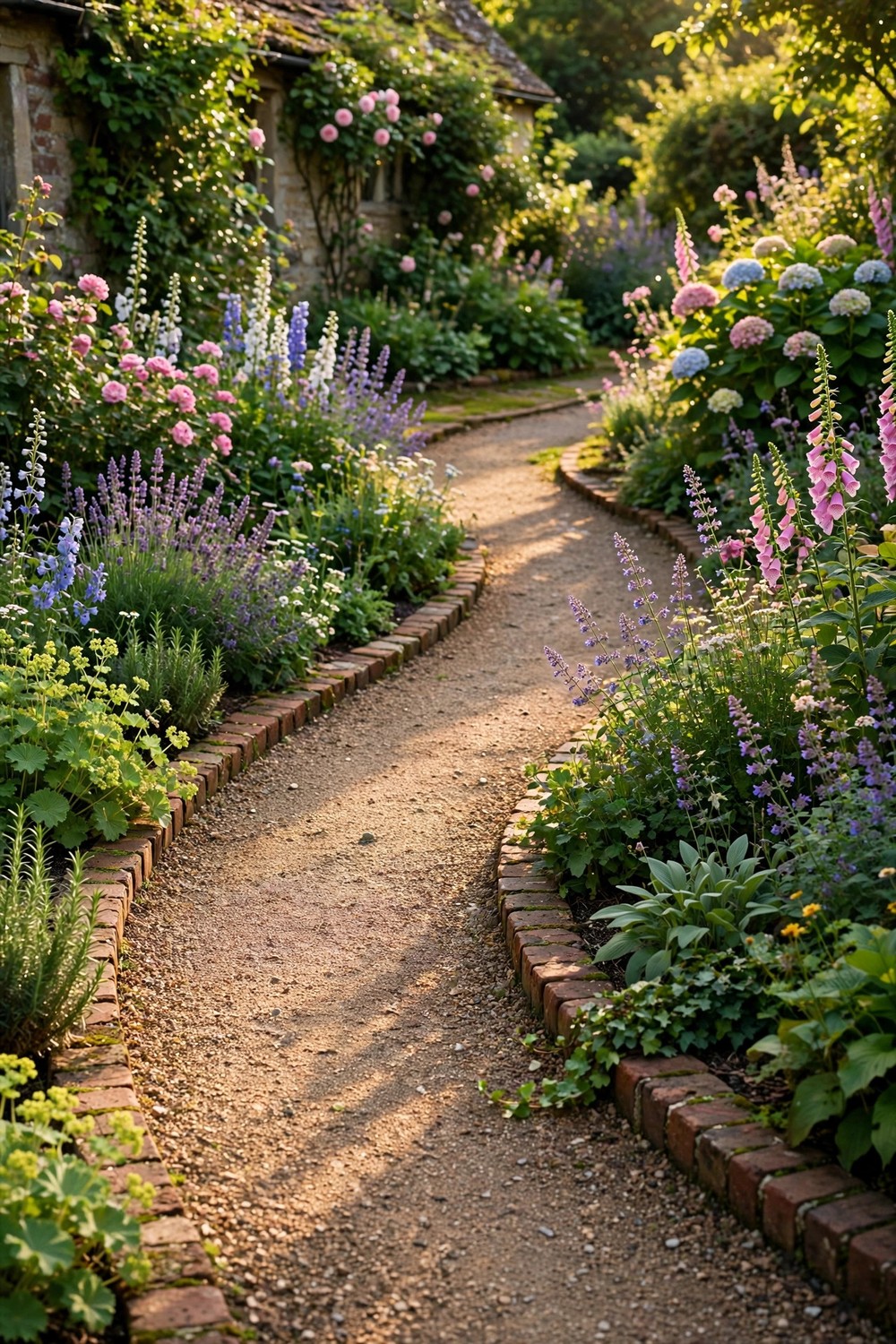
15. Winding Gravel Path with Edging
Wind a gravel path and hide its end. Gravel is the easiest whimsical surface, poured into a curving trench, edged in brick or stone, and left to crunch companionably. The secret is the route, an S curve that disappears behind a shrub or a small tree, so the garden always seems larger than it is. Gravel also announces visitors charmingly, a crunch that gives the house a moment to compose itself.
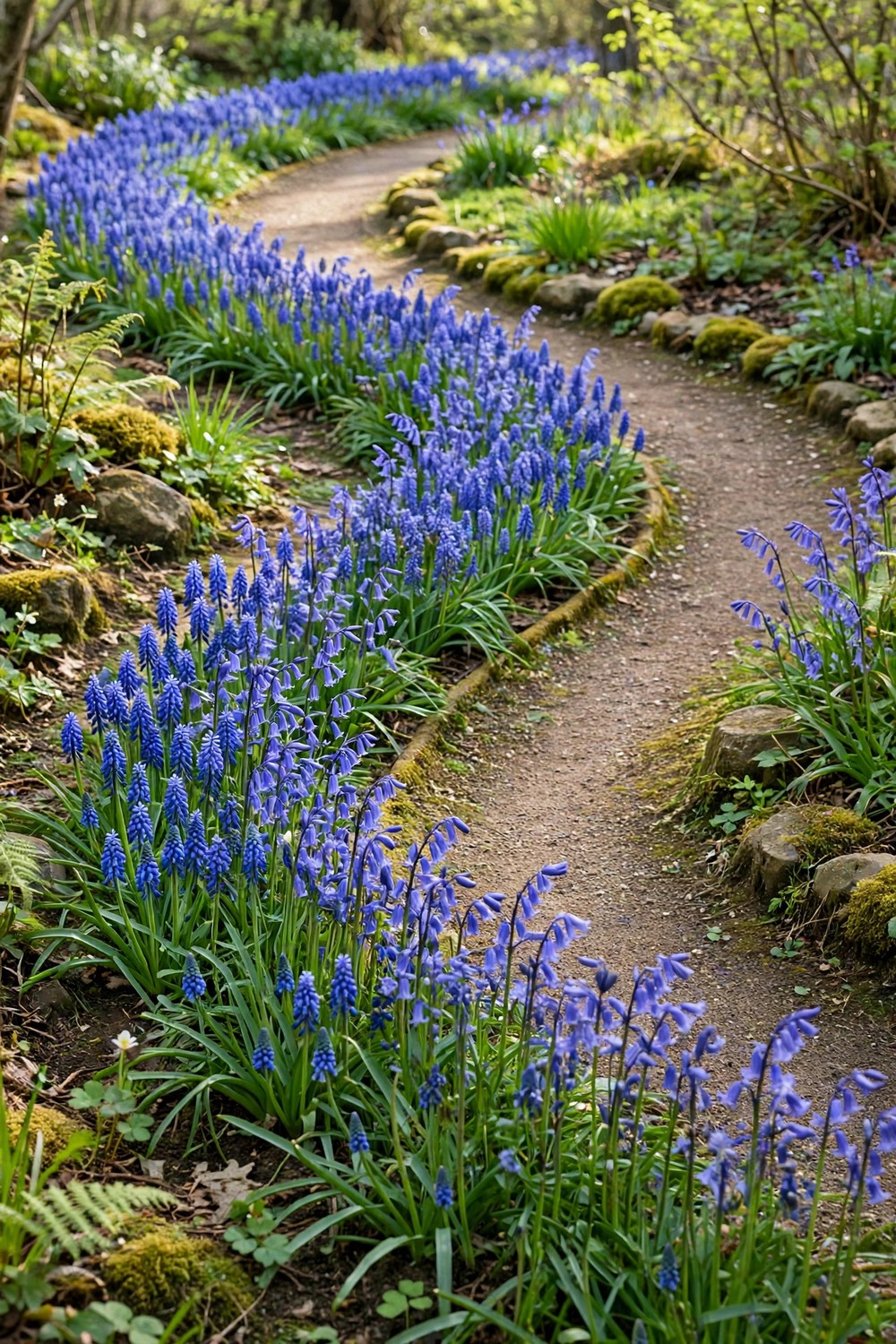
16. Flower River Path Edge
Run a river of flowers along the path. A ribbon of one flower, blue lobelia, white alyssum, or creeping phlox in spring, planted thickly along one or both edges of a path, makes the walk feel like it is flowing somewhere delightful. The single flower discipline is what makes it read as a river rather than a border. It is especially magical beside a plain path, where the river does all the storytelling.
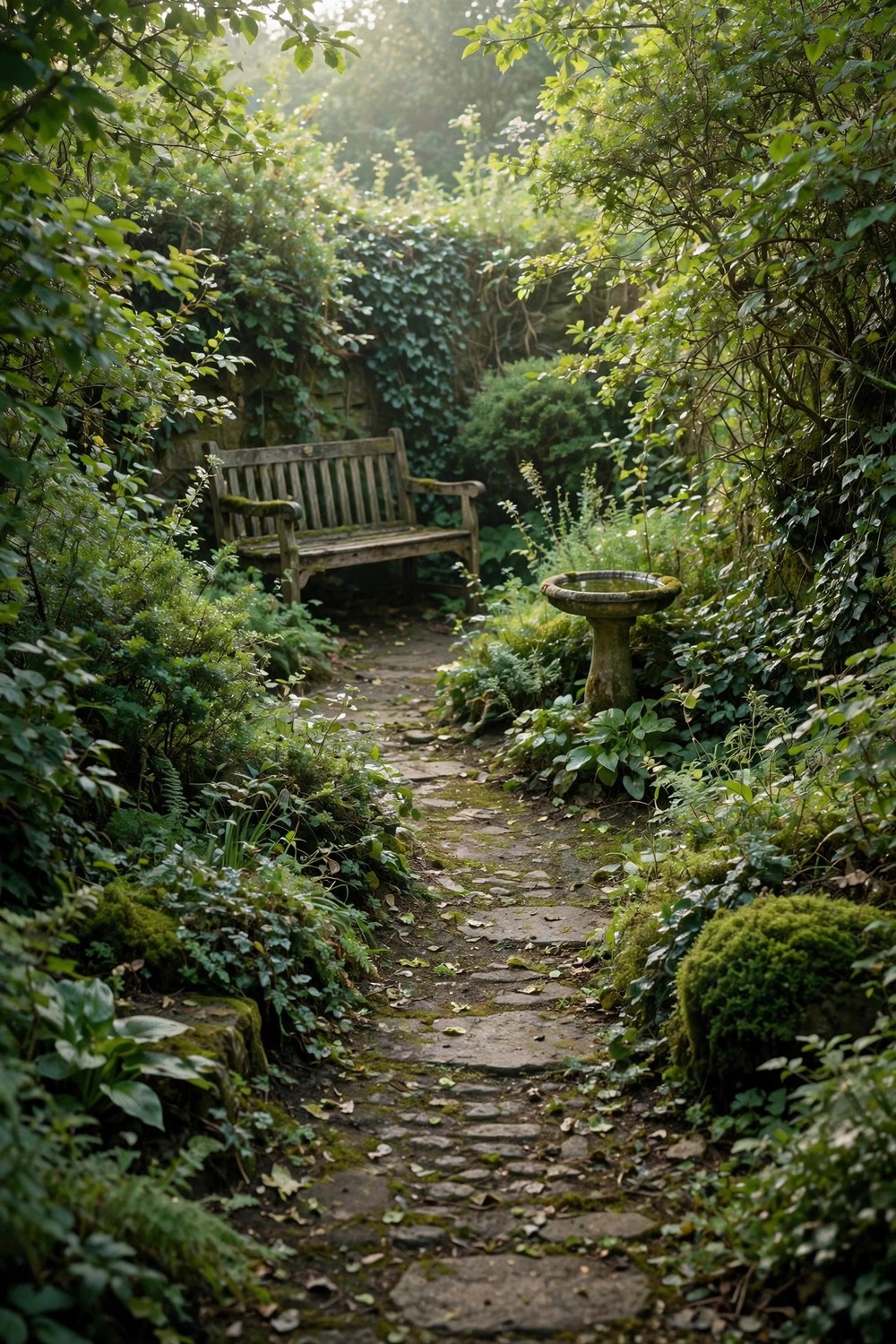
17. Hidden Destination Path
Build the path to somewhere secret. A path earns its whimsy when it promises a destination and keeps the promise privately, a bench inside a hedge, a bird bath in a green room, a single chair in the one sunny corner. Plant the turns so the destination appears only in the last three steps. Gardens with a secret feel twice their size, and a hidden destination path is how the secret gets an address.
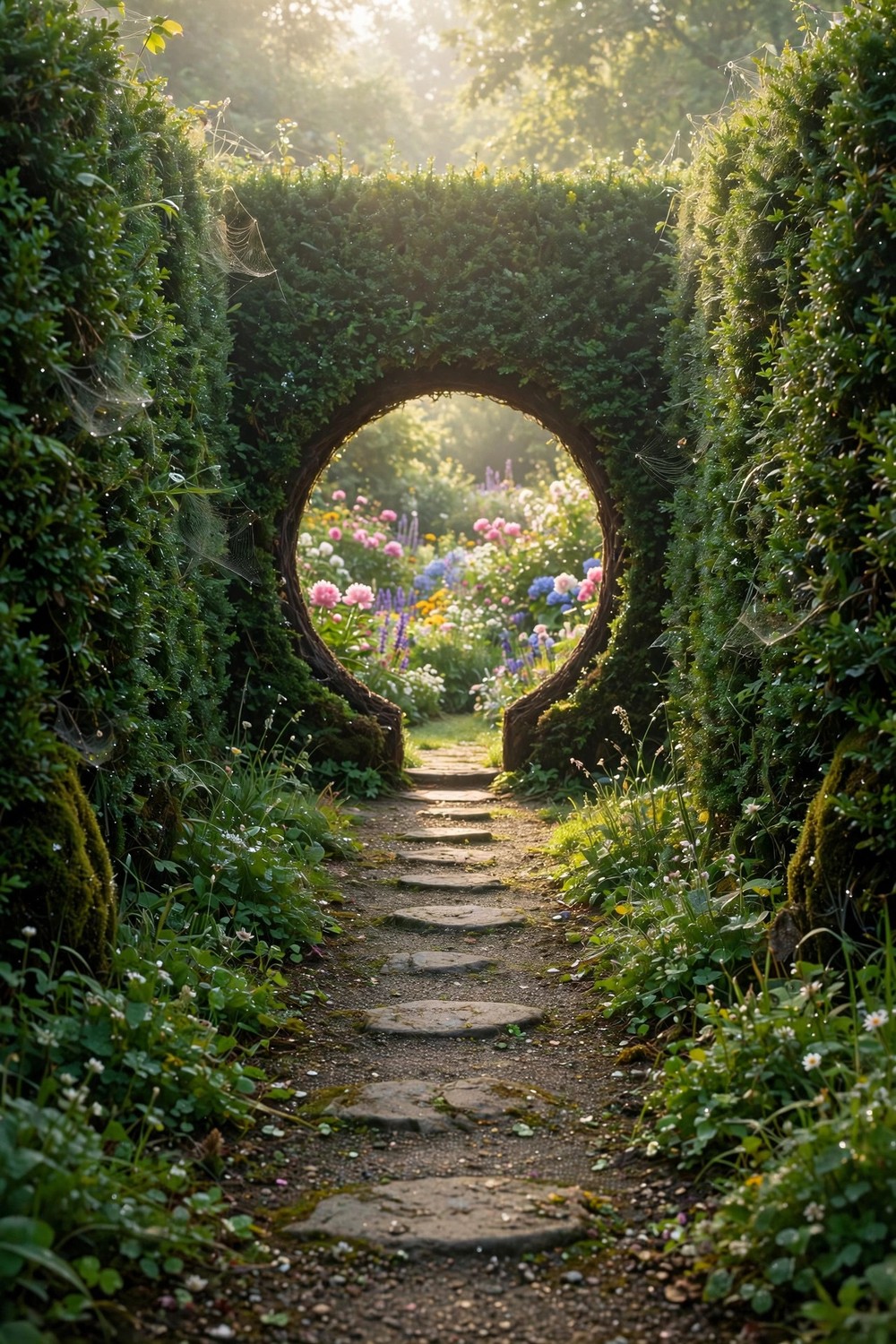
18. Moon Gate Garden Path
End the path at a moon gate. A circular opening in a hedge, fence, or wall, borrowed from Chinese gardens, is the most theatrical doorway a path can have. Step through a full moon of green and the garden beyond feels like another world, even if it is only the vegetable patch in a good mood. It takes a hedge a few seasons to grow the gate, or a weekend to build one in timber, and either way the path becomes a journey.
Building Whimsy That Still Works as a Path
For all the storytelling, a path’s first job stands. Keep the walking surface firm, level, and wide enough for a wheelbarrow on the routes that need one, because whimsy that trips people is just an obstacle with good PR. Build the base properly, gravel and slabs on compacted ground with edges that hold, and the charm will survive decades of feet.
Then let the path be personal. The mosaic of a family plate, the painted stone from a grandchild’s visit, the tunnel of roses planted for an anniversary, these are the details no landscaper can install for you. A garden path should tell the story of the people who walk it, one charming section at a time, all the way to the gate.






Leave a Reply