
Picking a paint color for a kids bedroom can feel like a tiny high-stakes decision. You want the room to feel fun and personal, but you also want bedtime to stay peaceful and the color to still make sense in a few years when tastes have moved on.
Here is the good news. Calm does not have to mean plain, and colorful does not have to mean loud. Soft neutrals, gentle pastels, earthy tones and a few clever two-tone tricks can give a kids room plenty of personality while keeping the overall feeling restful.
Below are 22 kids bedroom color ideas that stay calm, grouped by palette so you can find the mood that fits your child. Most of them pair happily with the furniture you already own, and nearly all of them work from the toddler years right through to the tweens with just a bedding swap.
Soft Neutrals That Are Not Boring
Neutrals are the calm backbone of a kids room, and they are anything but dull when you layer them well. The trick is warmth, texture and one or two soft accent colors doing the playful work so the walls can stay serene.
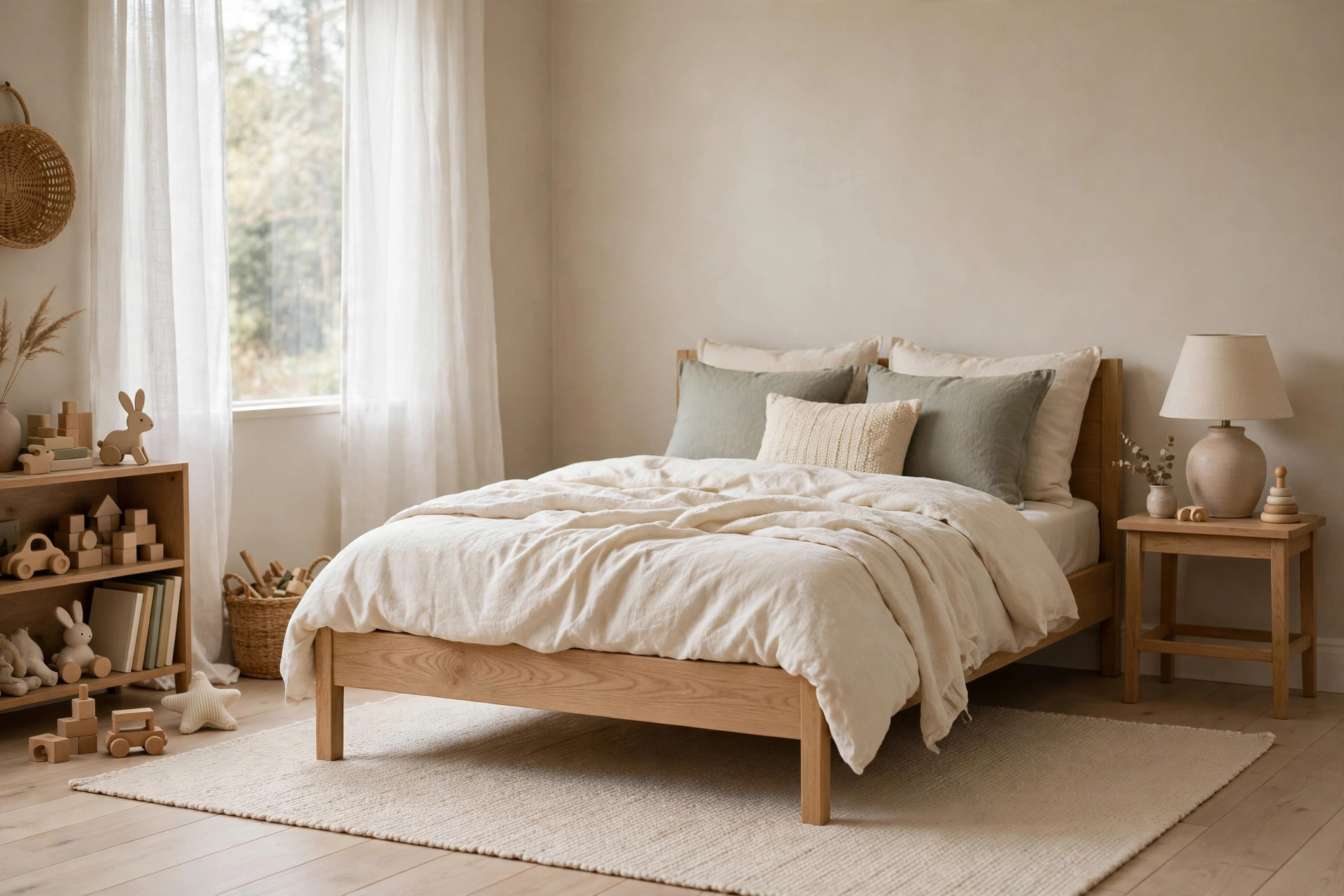
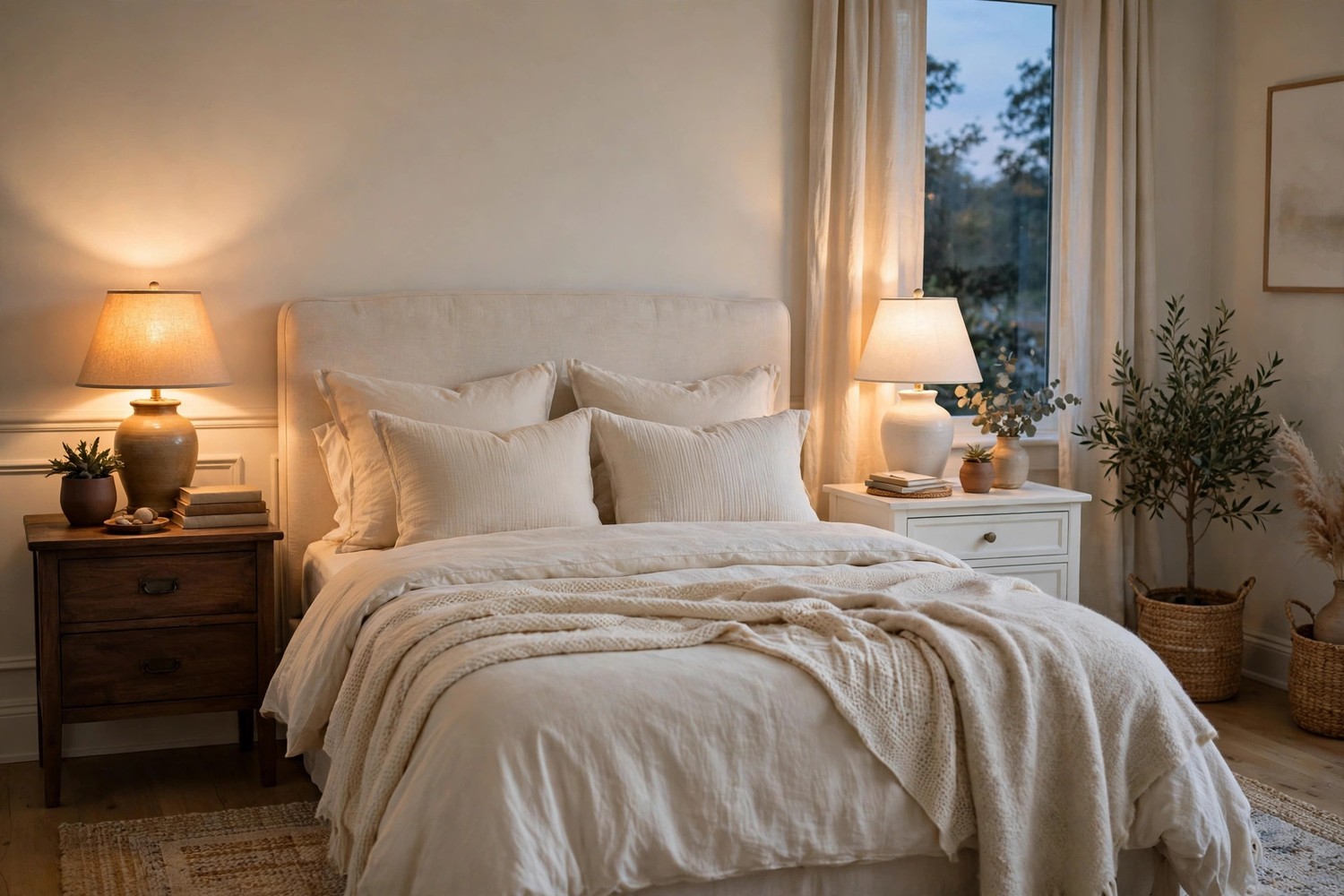
Warm ivory walls with natural wood furniture. A warm ivory is usually the friendliest starting point because it flatters light wood beds and dressers and never fights with changing bedding. It feels bright in the morning and cozy under a lamp at night, which is a rare double act for one color.
Soft greige for a room that grows up gracefully. Greige, that gentle mix of gray and beige, works especially well if you want one paint job to last from preschool to the early teens. It reads calm and a little grown up, but a few colorful cushions keep it feeling young without repainting a thing.
Creamy white walls with sage green accents. Pairing a creamy white with muted sage cushions, a throw or a small rug gives you a calm base with a whisper of color. Sage typically softens a room the way a plant does, and it suits boys and girls equally, which helps in shared rooms.
Pale oatmeal walls layered with texture. An oatmeal tone is a step warmer than white and looks lovely with woven baskets, linen curtains and a chunky knit blanket. When the color stays quiet, texture does the talking, and the room ends up feeling styled rather than plain.
Light warm gray with one cheerful accent color. If pure beige feels too warm for your light, a pale warm gray keeps things calm while letting one happy accent, like soft butter yellow or dusty coral, shine in the accessories. Because the accent lives in pillows and art, you can change it in an afternoon when your child falls for a new favorite.
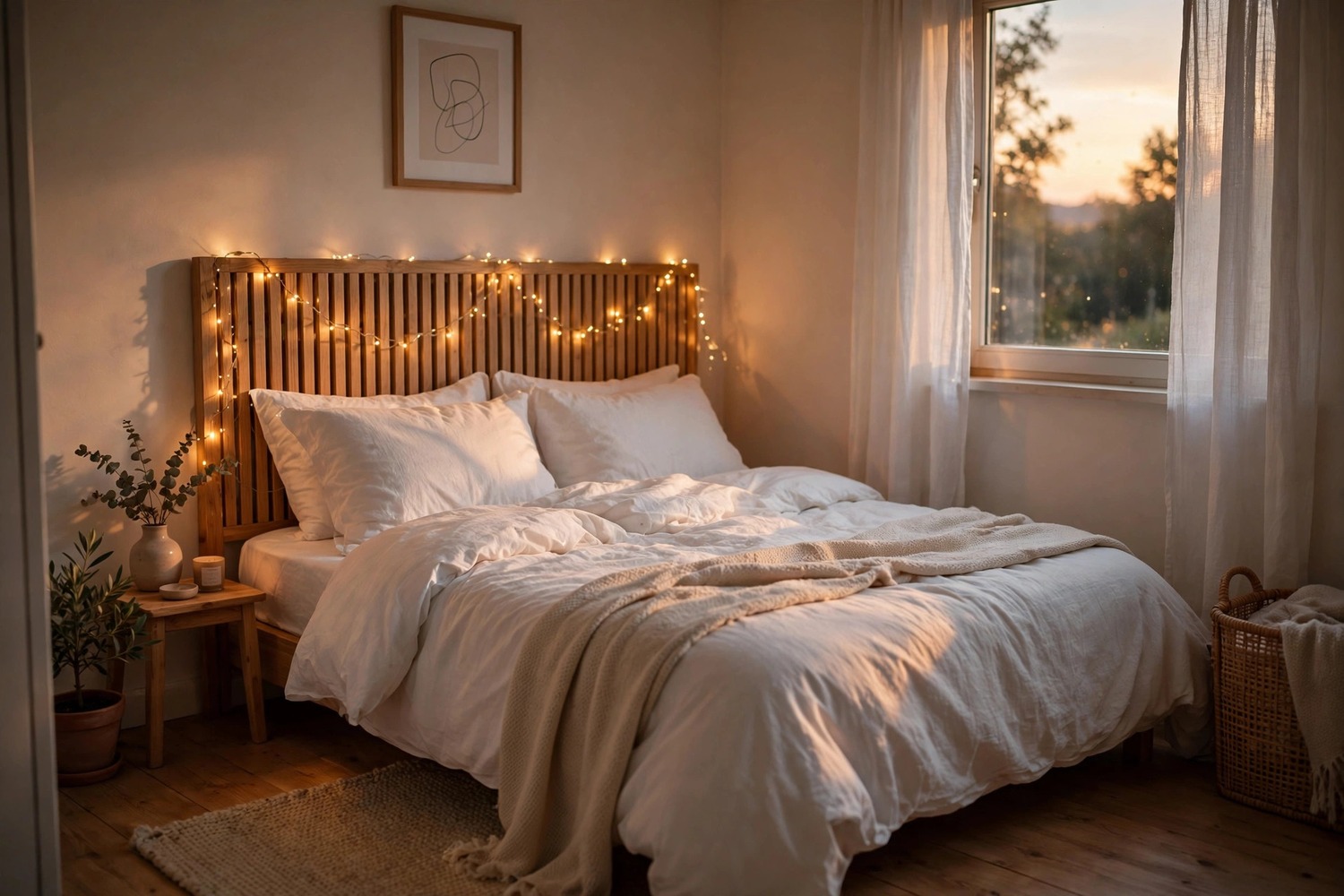
All-white walls warmed up with wood and rattan. White can stay calm in a kids room if you warm it with natural materials instead of more color. A wooden bed, a rattan lampshade and a jute rug usually bring enough warmth that the room feels snug rather than stark, and scuffs on white paint are the easiest of all to touch up.
Gentle Pastels
Pastels are the classic kids bedroom colors for a reason, but the calm versions are the dusty, muted ones rather than the sugary brights. Think of them as a color with the volume turned down, soft enough for sleep and sweet enough for play.
Blush and peach
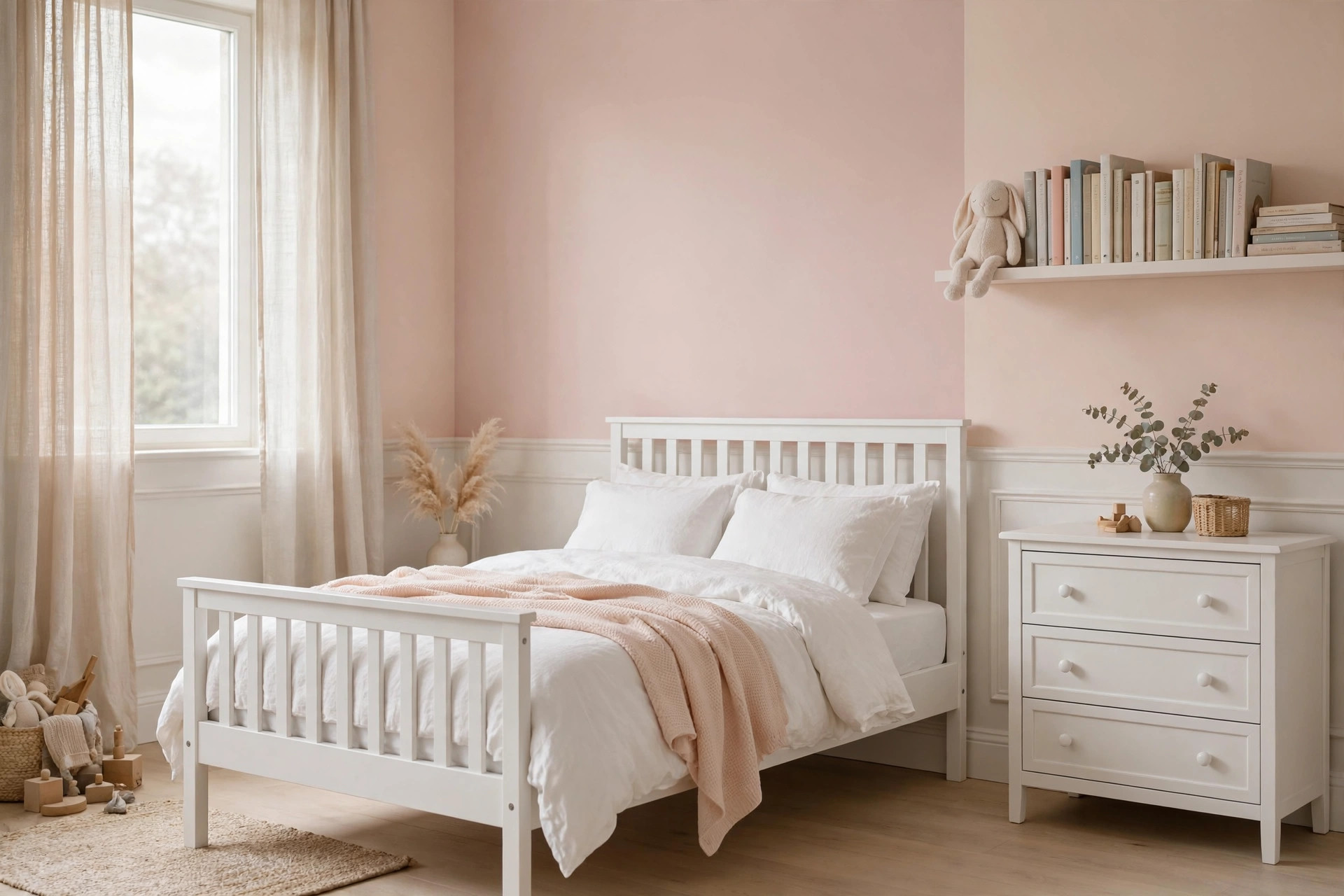
Pale blush on all four walls. A very pale blush reads almost like a warm neutral in most lights, so it rarely overwhelms a small room. It pairs beautifully with white bedding and light wood, and it tends to make a north-facing room feel a touch warmer.
A single peach accent wall behind the bed. If blush everywhere feels like too much, one peach wall behind the headboard gives the room its color moment while the other walls stay calm and light. This also makes repainting later much easier, since you are only redoing one wall when tastes change.
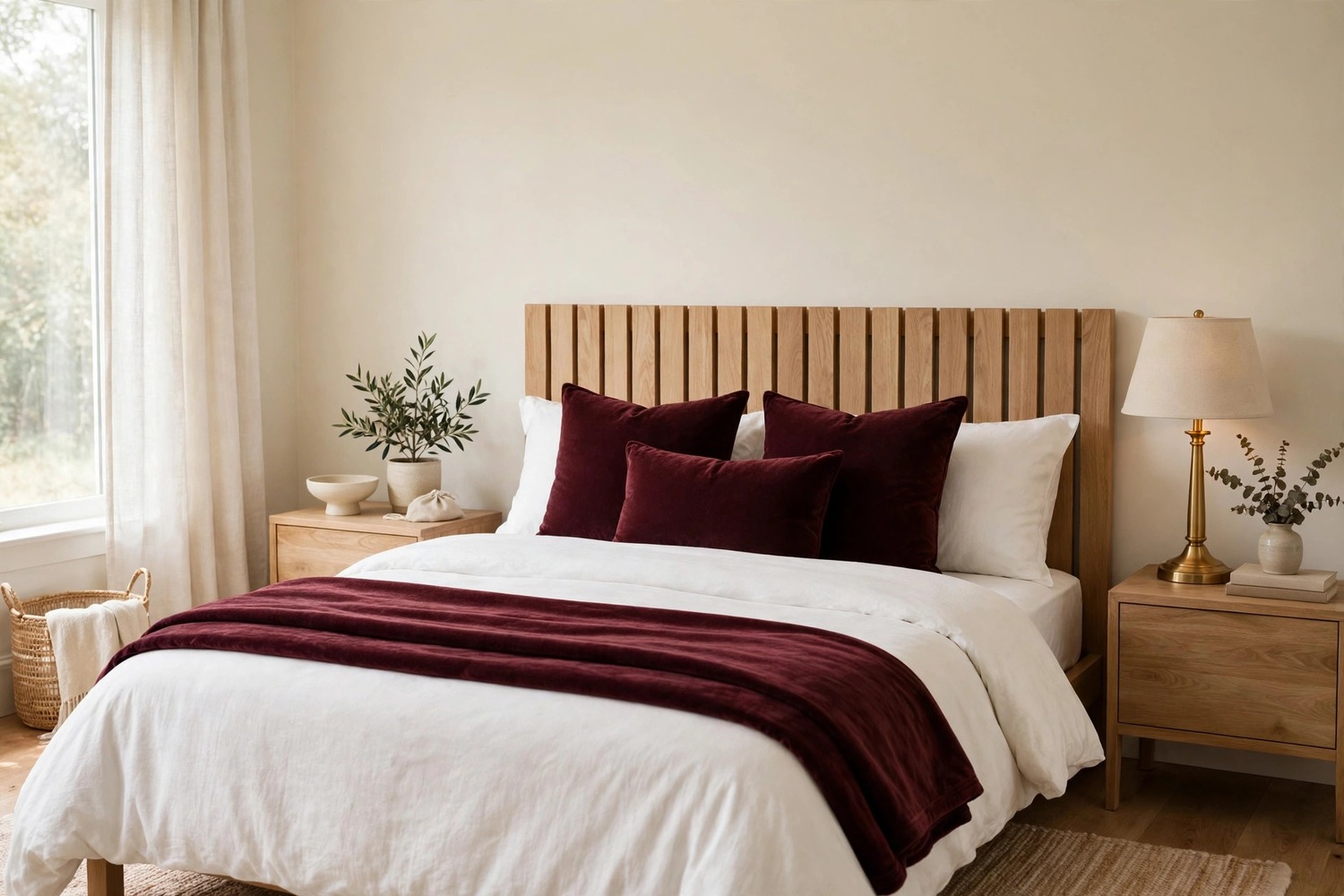
Blush walls with deeper berry toned bedding. Layering a muted raspberry or dusty rose duvet over pale blush walls adds depth without adding noise. The room stays restful, but it does not look washed out, and the bedding can be swapped for something plainer as your child gets older.
Powder blue
Powder blue walls with crisp white trim. Powder blue is one of the calmest colors you can put on a wall, and white trim keeps it looking fresh rather than sleepy. It is a lovely choice for a room that gets strong sun, because the cool tone usually balances the warmth of the light.
Dusty blue paired with warm wood tones. A slightly deeper dusty blue can feel a bit chilly on its own, but warm oak or pine furniture fixes that in seconds. The mix of cool walls and warm wood typically feels balanced and timeless, and it photographs beautifully for those first-day-of-school pictures.
Pale blue ceiling with white walls. Painting just the ceiling a soft sky blue is a gentle nod to the sky that kids tend to love, and it keeps the walls flexible for art and shelves. Lying in bed looking up at a pale blue ceiling feels surprisingly peaceful, and it costs you one small tin of paint.
Earthy and Nature Tones
Colors borrowed from outside, like leaf green, clay, sand and sky, have a built-in calm because our eyes are used to them in big doses. Earthy palettes also hide the everyday scuffs of childhood a little more kindly than bright white does.
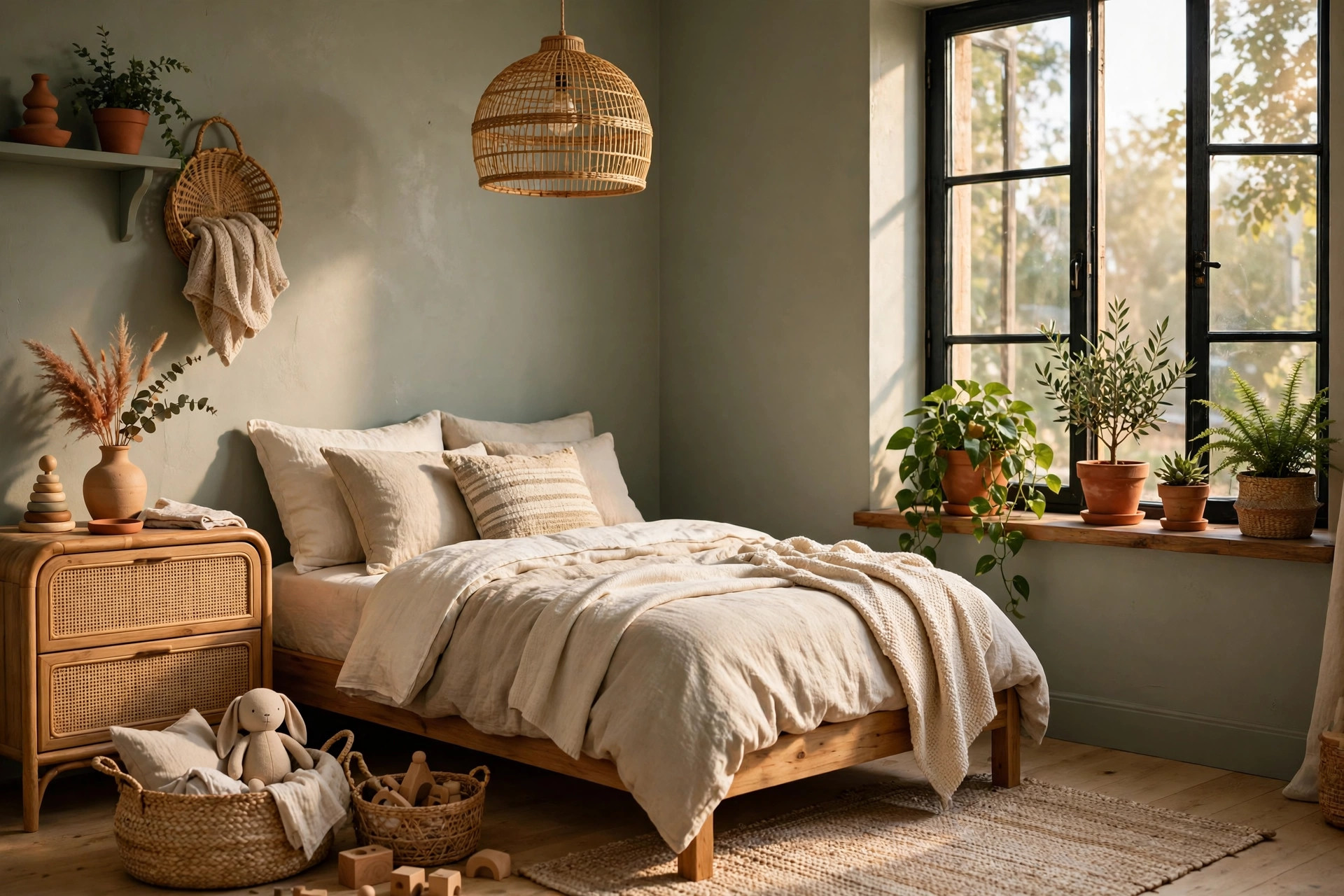
Soft sage green on all the walls. Sage is probably the hardest working earthy color for a kids room, since it is gentle, gender neutral and pairs with almost every wood tone. It usually looks restful in daylight and even softer under evening lamplight, which makes bedtime stories feel extra cozy.
Muted olive with cream bedding. A dusty olive brings a bit more depth than sage, so it suits older kids who want their room to feel grown up but not dark. Cream or ivory bedding keeps the balance light, and a few black and white prints can make the whole look feel current.
Warm clay or terracotta as an accent only. Clay tones are gorgeous but strong, so most families are happiest using them on one wall, a painted bookshelf or a set of storage boxes. Against warm white walls, a little clay goes a long way and gives the room a sunny, grounded feeling.
Sandy beige with leafy green touches. A sand toned base with green brought in through plants, cushions and a rug feels like a walk outside in the best way. Real or good faux plants usually do more for the mood of a room than another coat of paint, and kids love having something green to look after.
Gentle eucalyptus blue green. Somewhere between blue and green, eucalyptus is a restful choice for a child who cannot decide between the two. It tends to shift with the light, looking greener in the morning and bluer by evening, which gives a small room a quietly changing backdrop.
Accent Walls and Two-Tone Tricks
Sometimes the calmest answer is not one color everywhere but two colors used with a plan. Splitting the color keeps the room interesting while making sure no single shade takes over, and it often solves practical problems like scuffs at hand height.
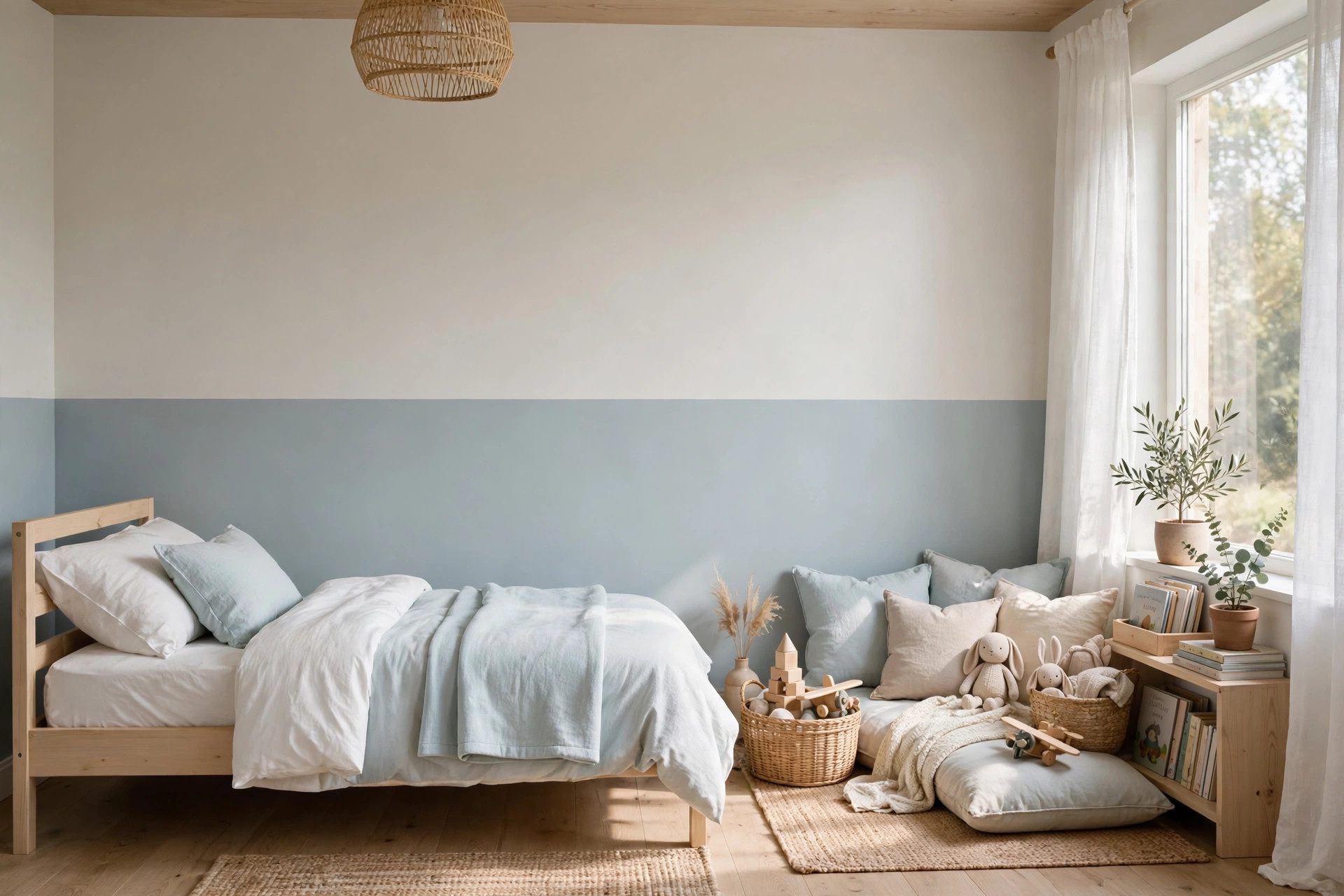
Two-tone walls with color on the lower half. Painting the lower half of the wall in a soft blue, sage or blush and keeping the top warm white is the classic calm trick. The color sits where the eye rests when a child is playing on the floor, while the white upper half keeps the room feeling tall and bright.
A painted color block behind the bed. Instead of a whole accent wall, paint a wide rectangle or arch of muted color just behind the headboard. It frames the bed like a headboard would, uses very little paint, and is easy to paint over when your child wants a change.
Color on the wardrobe and doors instead. Keeping walls neutral and painting a door, wardrobe or set of drawers in a gentle color moves the fun to pieces that are easy to update. A sage door or a dusty blue dresser can be repainted in a weekend, which is a much kinder job than four walls.
A calm ombre that fades upward. Blending from a soft color at skirting height up to near white at the ceiling gives a dreamy, sky-like effect that stays very restful. It takes a bit of patience with a brush or sponge, but the result usually feels special without a single bright color in sight.
Stripes or a border line in one soft shade. A single hand-painted stripe or a slim border where two wall colors meet adds a tailor-made detail that kids notice and love. Keep the stripe in the same color family as the room and it will read as polish rather than pattern, and any wobbles just add to the handmade charm.
Whichever palette you land on, the calm secret is usually the same. Keep the biggest surfaces soft, let bedding, cushions and art carry the playful color, and choose shades you would happily live with in your own room. Kids grow and tastes change fast, but a restful wall color is one decision you rarely have to remake.

Leave a Reply