
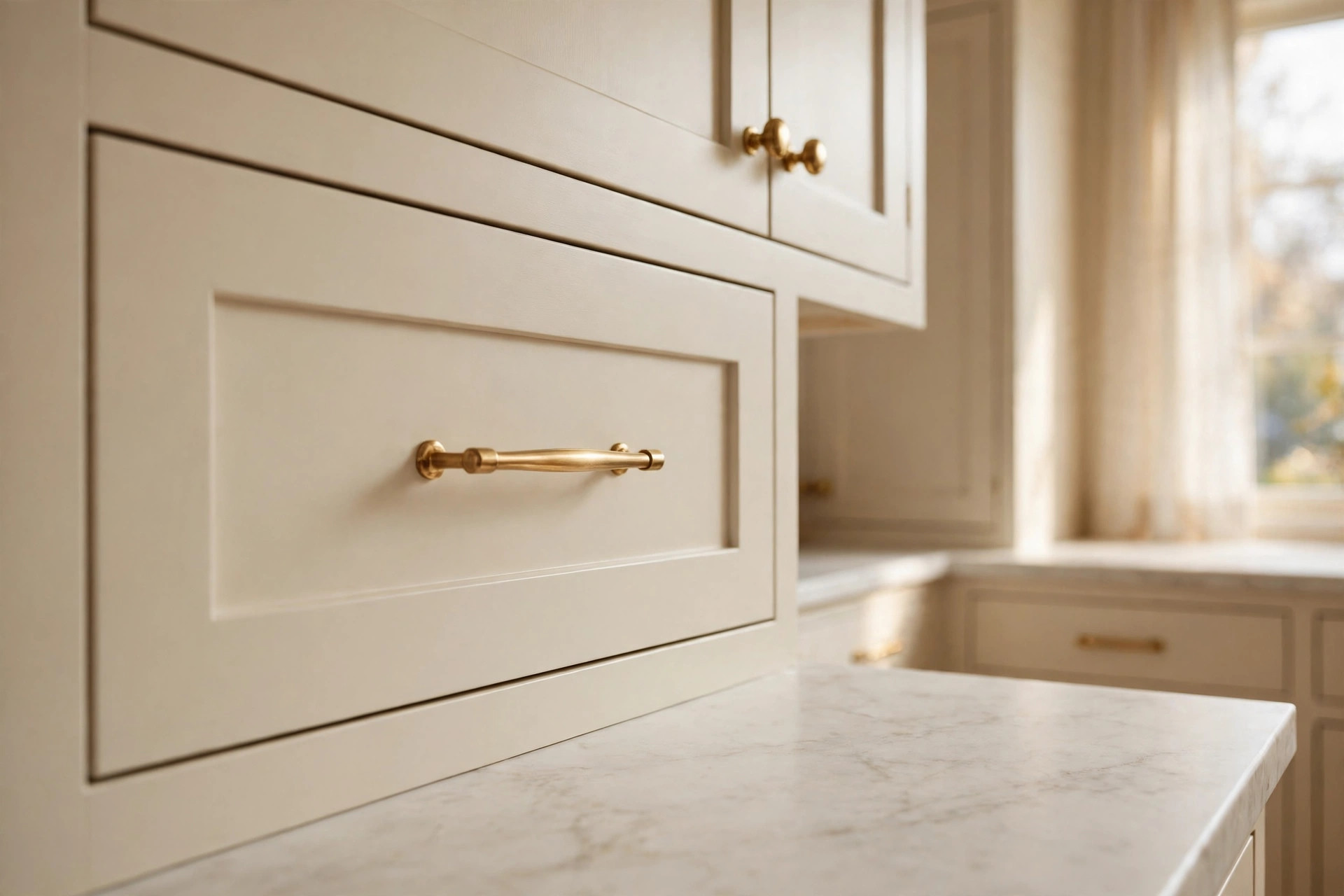
If your kitchen feels tired but a full remodel is not on the table, kitchen cabinet hardware ideas are usually the kindest place to start. A pull or a knob is small, but you see it on every door and you touch it all day long, so it quietly sets the tone for the whole room. Change the hardware, and cabinets you thought were plain can suddenly feel intentional.
You do not need to match everything perfectly either. The loveliest kitchens often mix a comfortable pull on drawers with a simple knob on doors, or they repeat one warm finish in a few places so the room feels pulled together. It is a forgiving project, and it is one you can usually finish in an afternoon. Even better, you can live with one sample for a week if you want to be sure, because there is no rush to decide everything in the shop on the first day.
Below are fifteen ideas to borrow, starting with the pull versus knob question and moving through finishes, placement, shaker cabinets, and easy care. Take the ones that fit your cabinets, your light, and the way you actually cook, and leave the rest for later.
Pulls vs Knobs vs a Mix
There is no single right answer here, so it helps to think about how you open things when your hands are busy or a little messy. Think about your widest drawer and your tallest door, because each one asks for something slightly different.
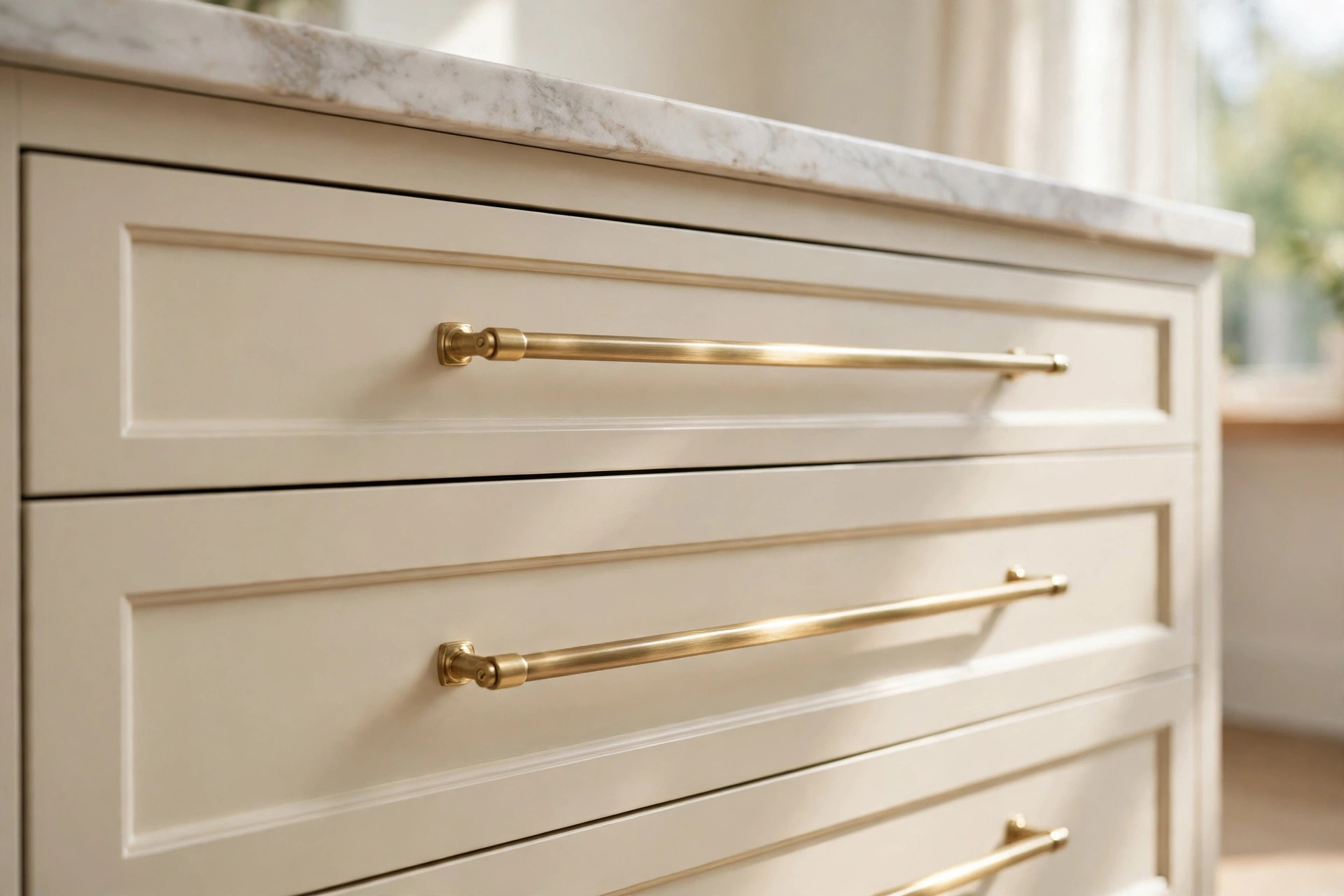
Use pulls on drawers where you need a real grip. A pull usually feels easier on wide or heavy drawers, especially the one that holds your pots and pans. You can grab it with a few fingers without thinking, and it typically puts less strain on your hand. Choose a shape with a smooth underside, because you will feel that edge every single time.
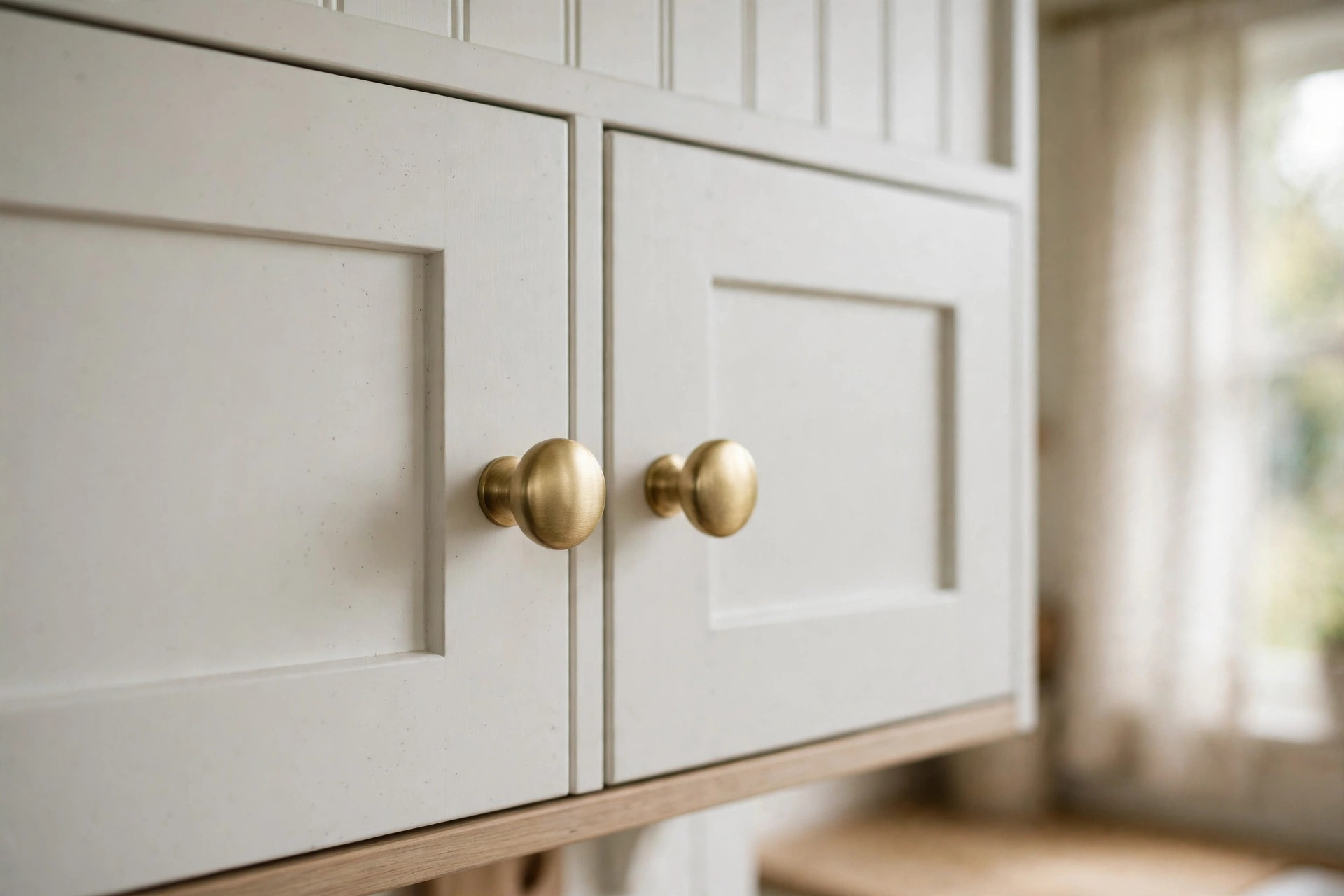
Keep knobs on doors for a calmer, classic look. Knobs tend to suit upper cabinets and smaller doors, where a long pull can feel a bit much. They read quiet and tidy, and they are often a friendly choice if you like a traditional or cottage feel. Just pick a size that is comfortable to turn, because a tiny knob can be fiddly in daily use.
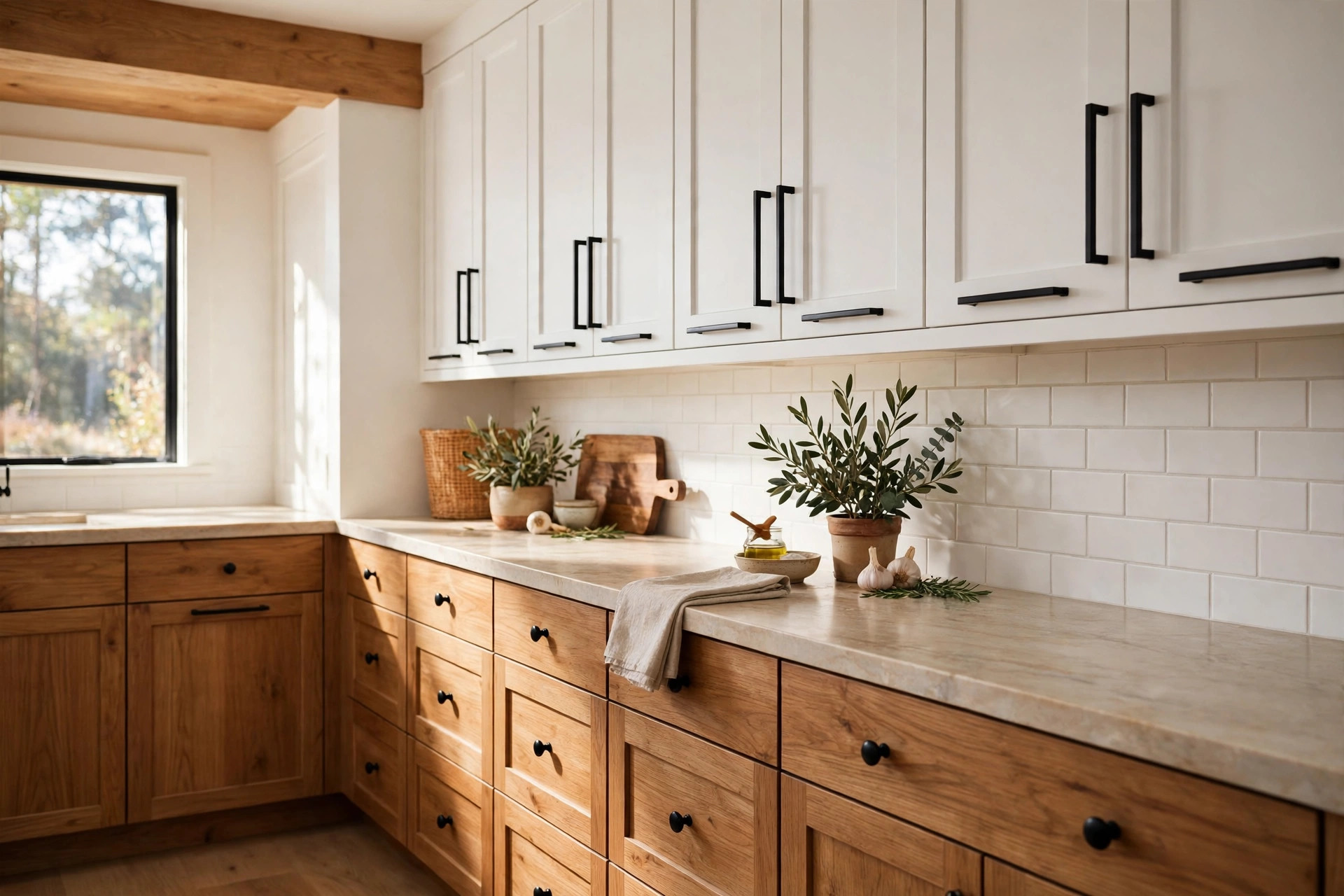
Mix pulls and knobs if you want the best of both. This mix is what many kitchens land on, with pulls down low for work and knobs up top for lightness. It usually looks natural as long as the finish and the style stay the same across both. Try holding one of each against your cabinets first, and the balance will typically make sense at a glance.
Brass, Black, Nickel and Wood
Finish is where the personality comes in, and it helps to look at your samples in your own light, morning and evening, before you commit. A finish can look quite different under shop lights, so that little home test is always worth doing.
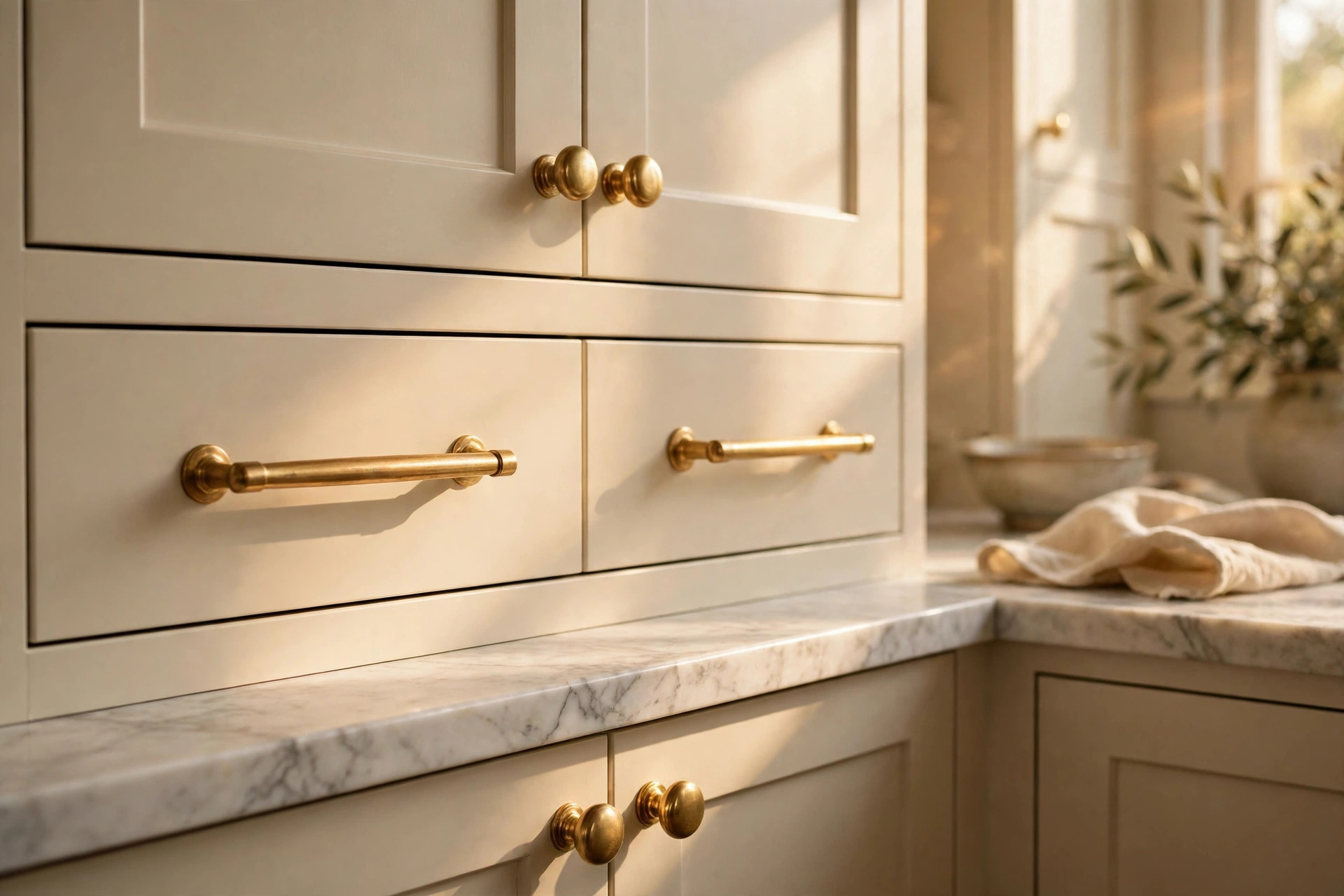
Choose warm brass when you want a soft, welcoming glow. Brass usually brings instant warmth to white, cream, and wood cabinets, and it looks especially pretty in afternoon light. Unlacquered brass will typically deepen and gain a gentle patina over time, which many people love. If you prefer a steadier shine, a lacquered finish keeps things more consistent.
Mixing Metals Safely
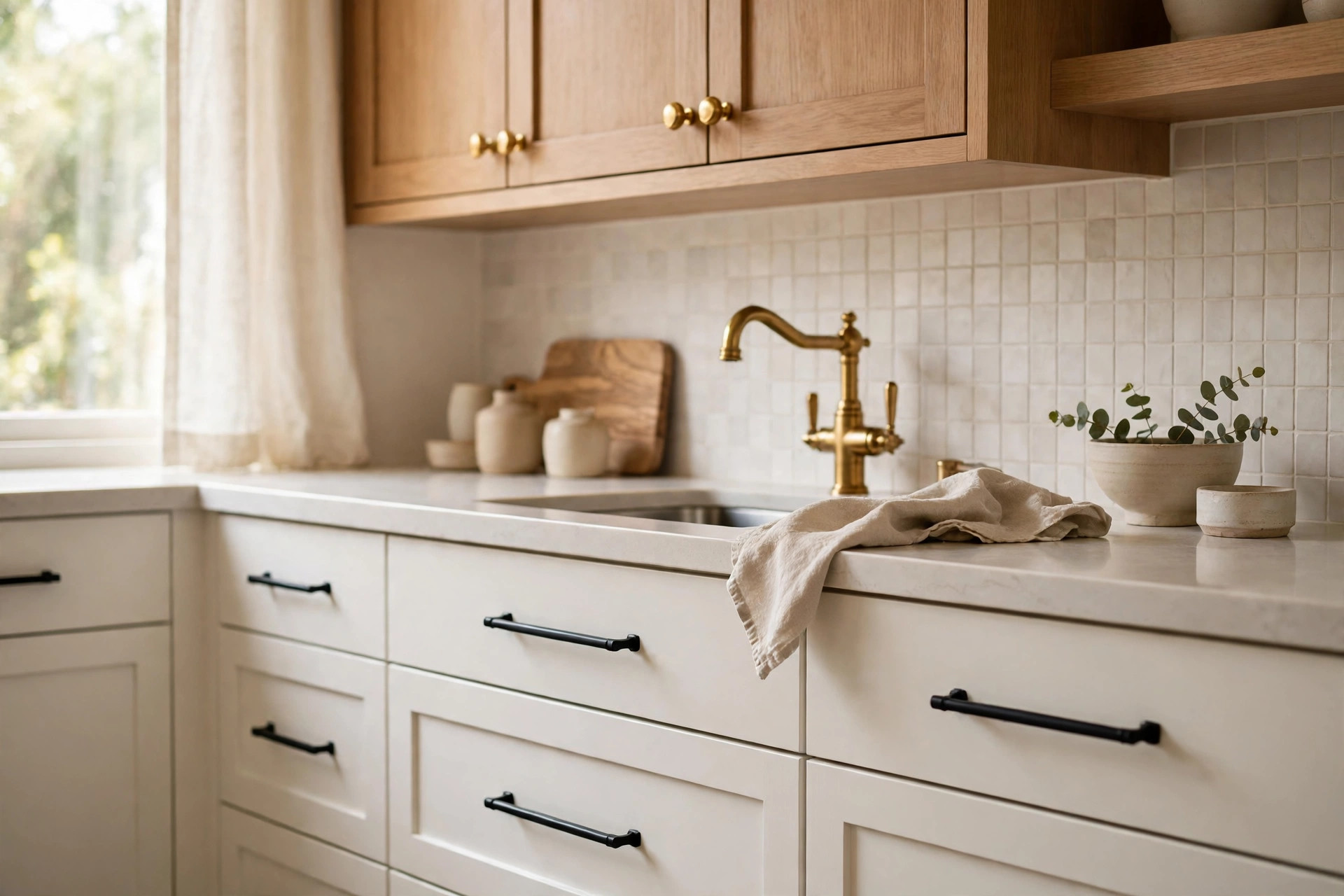
Pair matte black with one warm metal for calm contrast. Black hardware reads crisp and modern, but on its own it can sometimes feel a little stark in a cozy kitchen. Adding brass or warm wood nearby usually softens it, as long as you repeat each finish at least twice. Keep the shapes simple, and the mix tends to feel deliberate rather than busy.
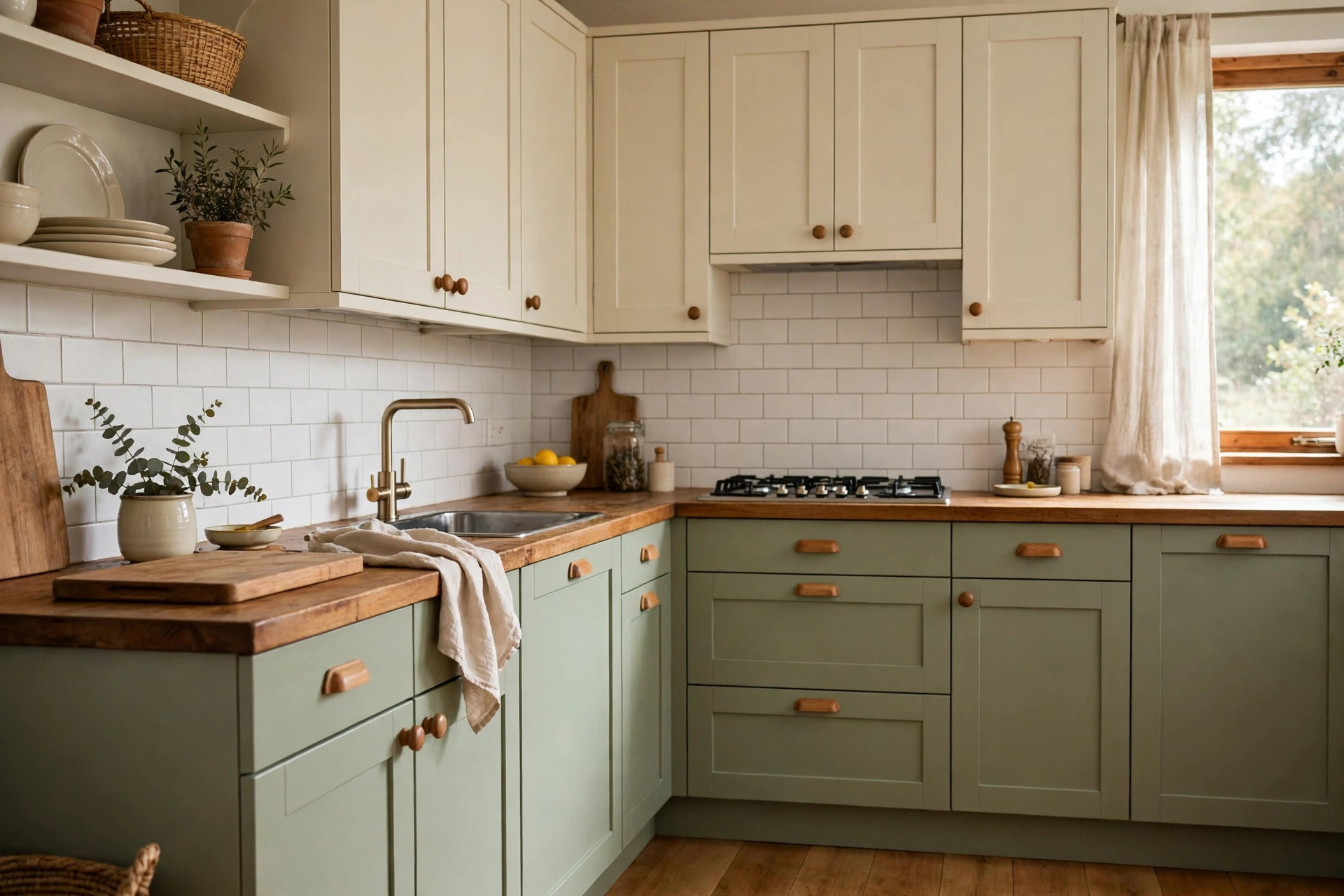
Use brushed nickel and wood when you want things quiet. Nickel has a soft, slightly warm gray tone that sits happily with stainless appliances and stone counters. Wood knobs or pulls can warm it up and make painted cabinets feel almost furniture like. This pairing typically suits calm, everyday kitchens where you do not want the hardware shouting for attention.
Placement and Sizing Rules
Good hardware can look off if it sits in the wrong spot, so a few simple habits here usually save you a lot of second guessing. The good news is that placement is mostly about consistency and comfort, not strict rules.
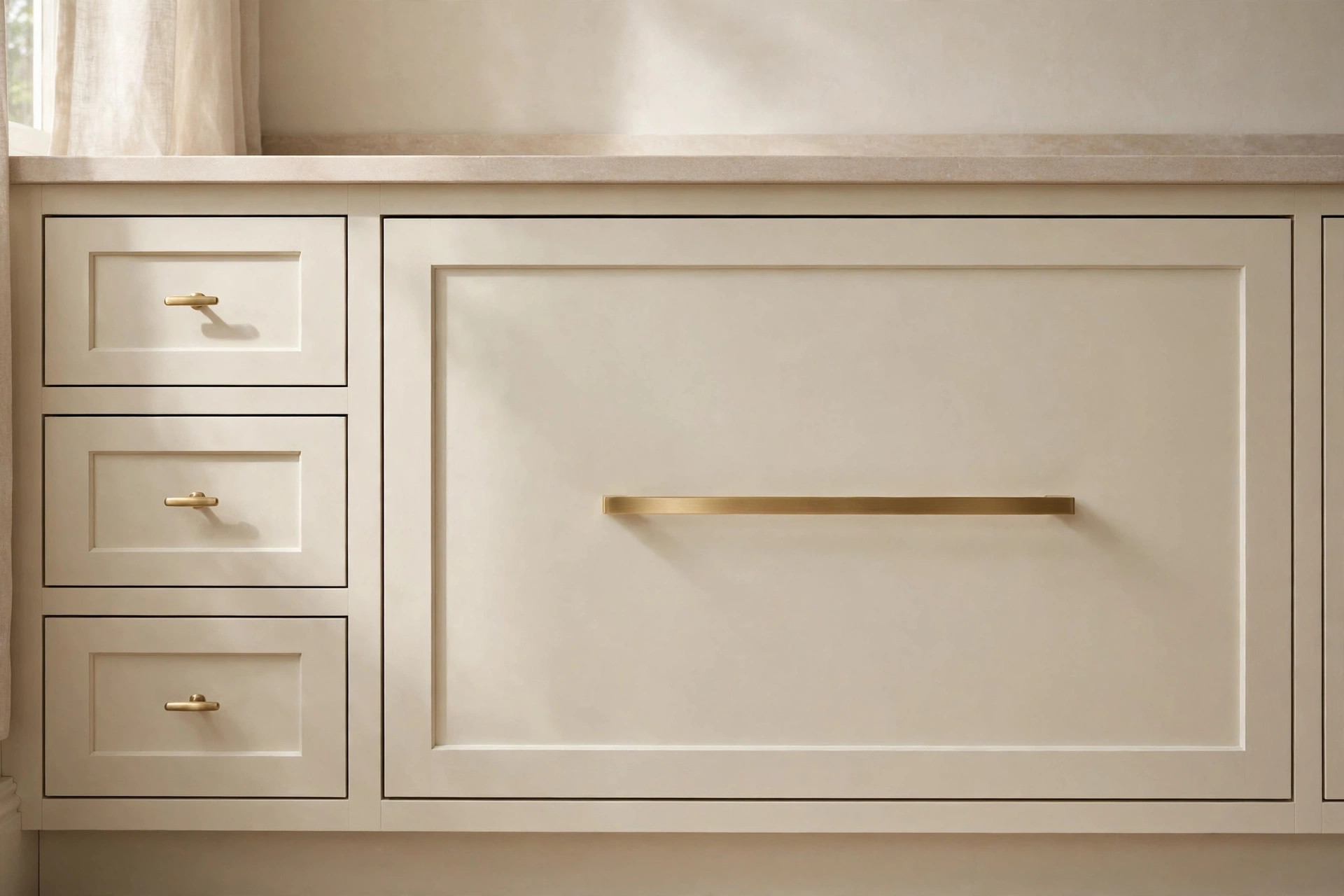
Size your pulls to the drawer, not just to your taste. A longer pull usually looks and feels better on a wide drawer, while a shorter one suits a narrow cutlery drawer. As a gentle guide, many people aim for a pull that spans roughly a third of the drawer width. Hold it in place with a little painter tape first, and you can step back and judge it honestly.
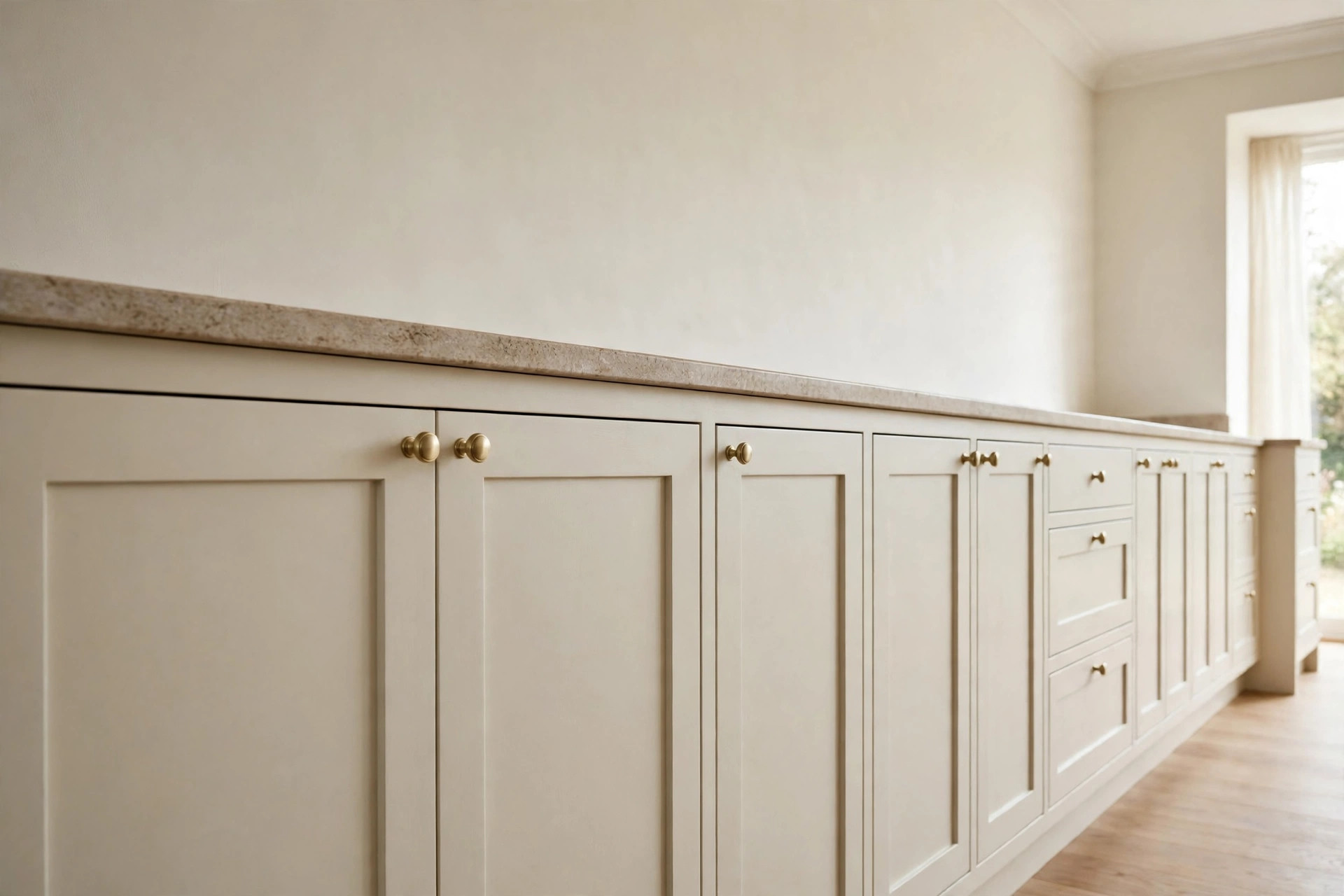
Place knobs and pulls consistently on every door. Consistency is what makes a kitchen feel calm, so pick one spot and repeat it, typically on the corner opposite the hinge for doors. For shaker doors, lining hardware up with the rail often looks neat and intentional. A simple paper template usually helps you keep every hole in exactly the same place.
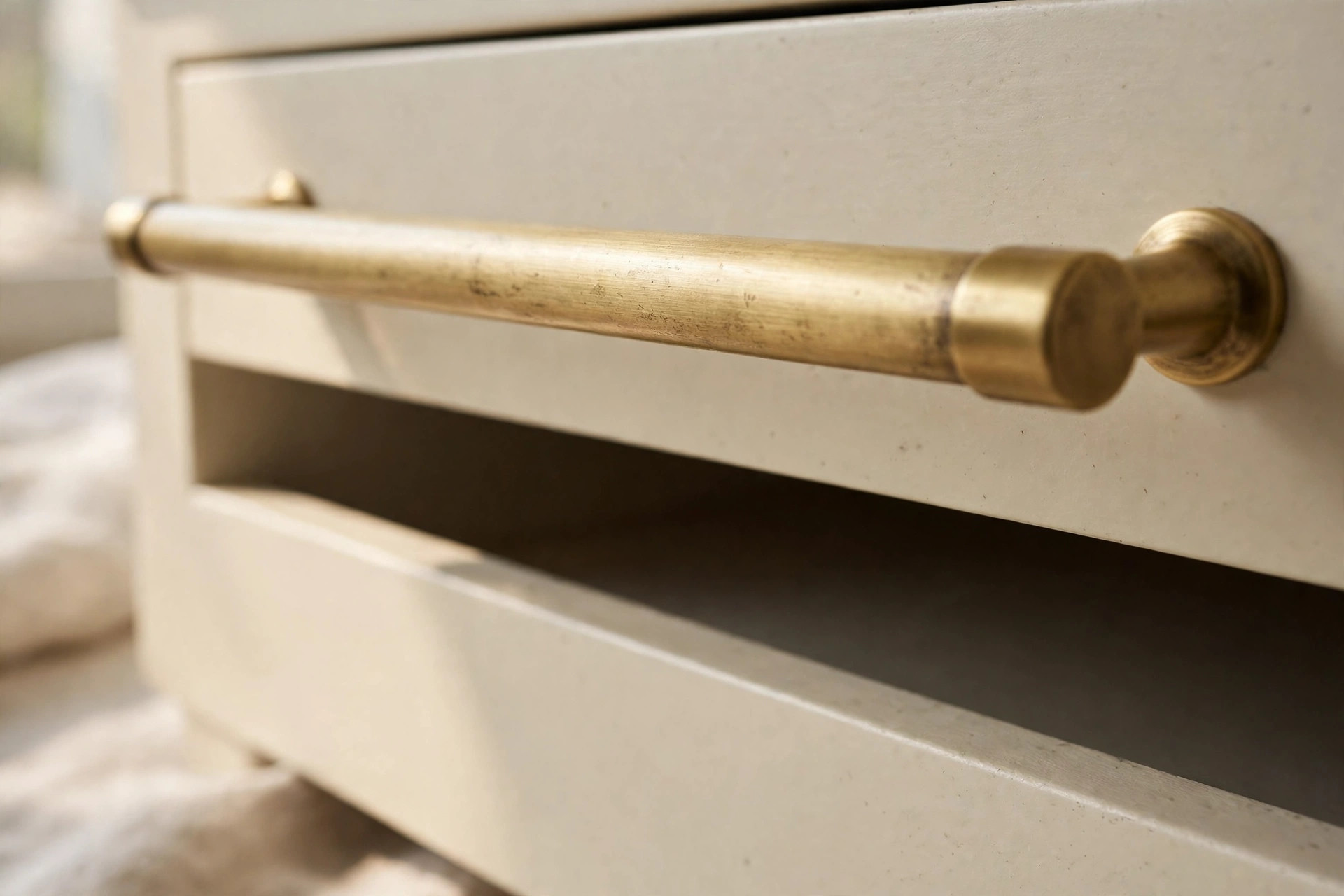
Leave comfortable clearance so fingers do not get pinched. A pretty pull that sits too tight to the door is no fun when you are rushing to make dinner. Look for a shape you can hook your fingers around easily, and check that nearby doors and drawers will not catch on it. If you can, test one pull for a few days before you fit the whole set.
Hardware for Shaker Cabinets
Shaker cabinets are forgiving and timeless, which means your hardware can be simple and classic or a little bolder if you fancy a change. That plain frame is a lovely backdrop, so even a small shift in shape or finish tends to show up clearly and feel like a real update.
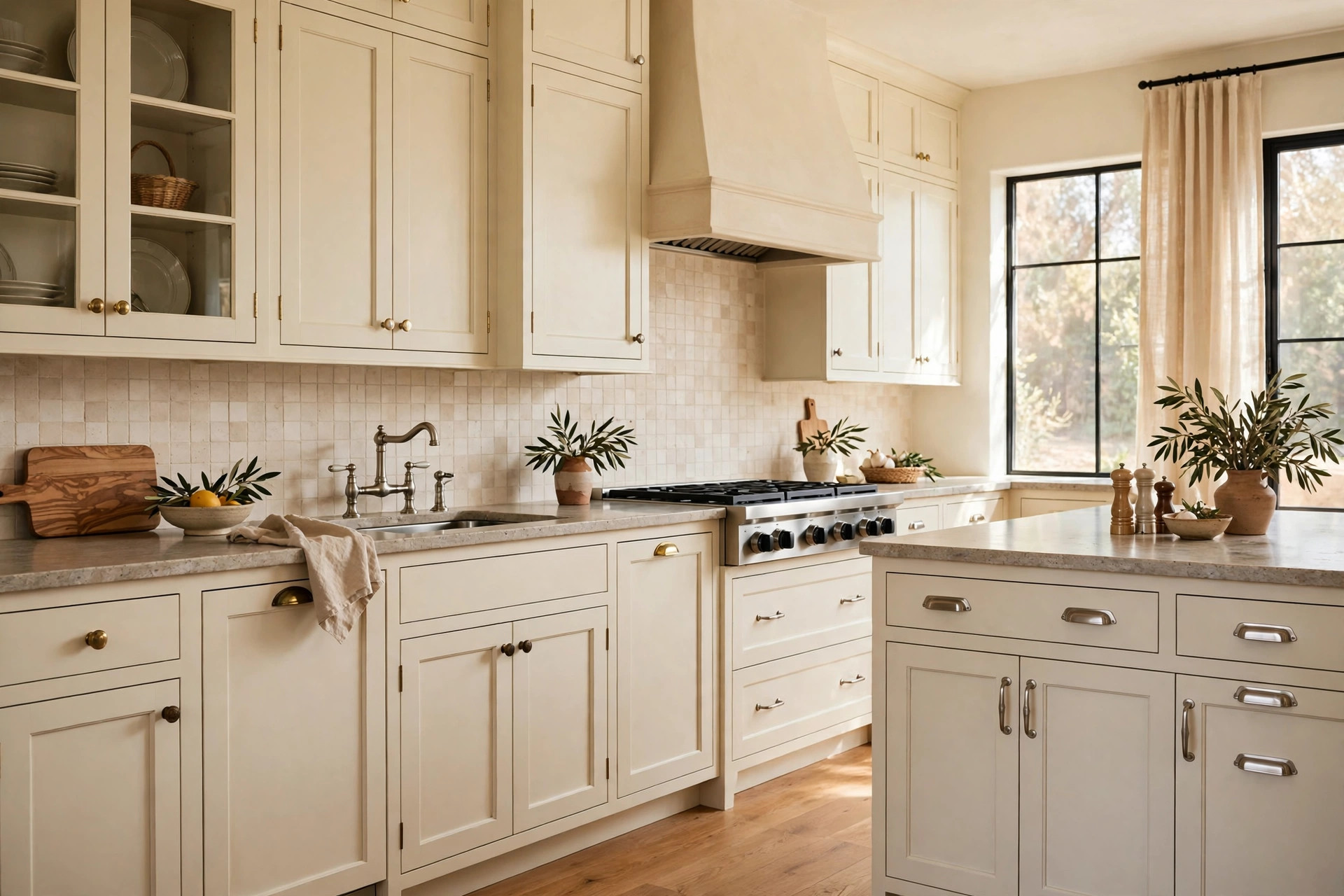
Keep shaker hardware simple with slim bars or soft cups. Clean shapes usually suit the plain shaker frame best, because they do not fight with the lines of the door. Cup pulls can feel lovely on drawers and they bring a gentle, traditional touch. Whatever you pick, a smooth finish typically looks calmer than anything very ornate or fussy.
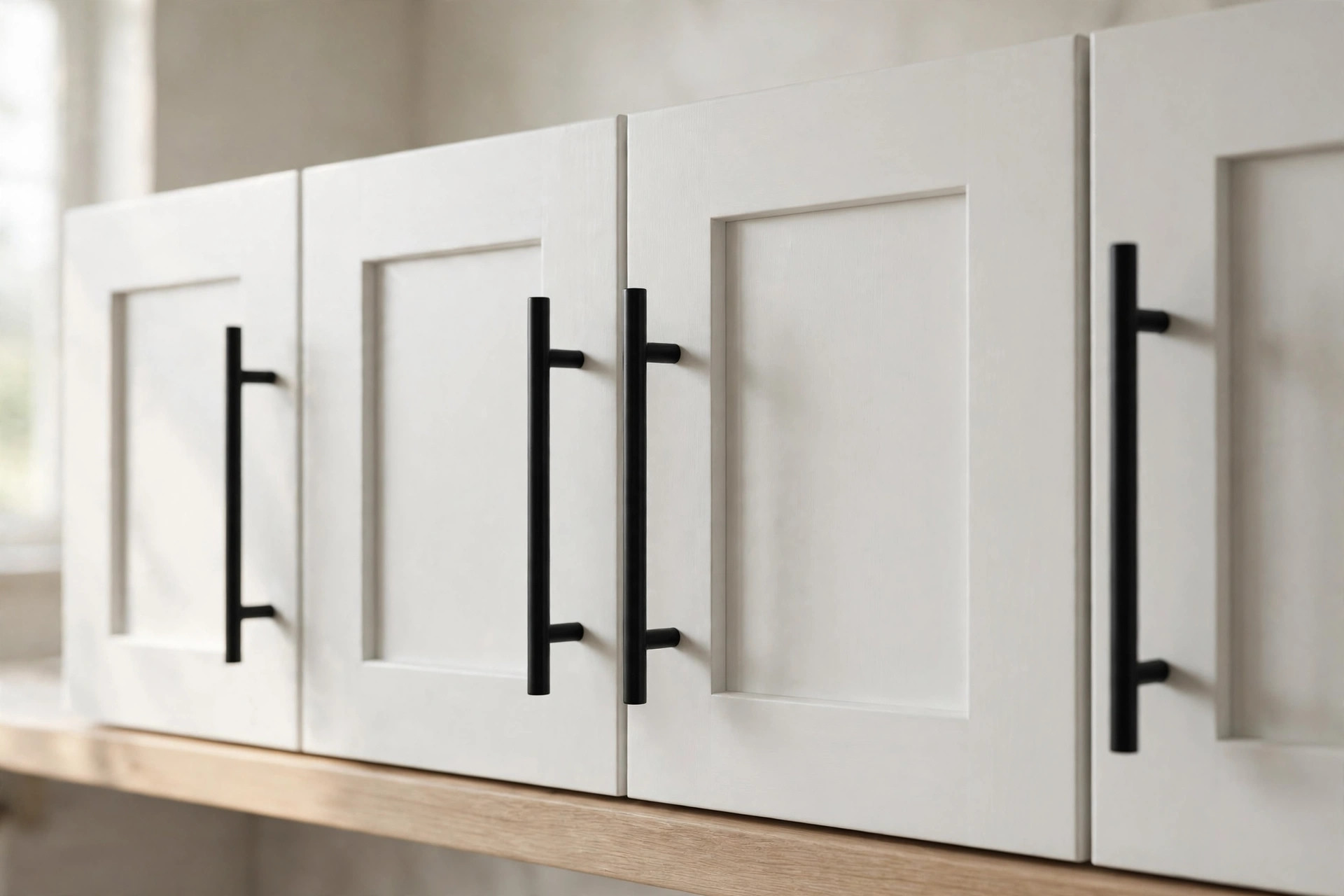
Let the finish do the talking on plain shaker doors. Because shaker fronts are so simple, a warm brass or a deep black finish can become the detail that lifts the whole run of cabinets. You do not need a complicated shape if the color and tone are right. Bring a sample home, because a finish that looked perfect in the shop can shift quite a bit in your light.
Budget Hardware Swaps
You do not have to replace everything at once to feel a difference, and a few thoughtful swaps usually go a long way. Start where your eye lands first when you walk in, and let that early win give you confidence for the rest of the room when you are ready.
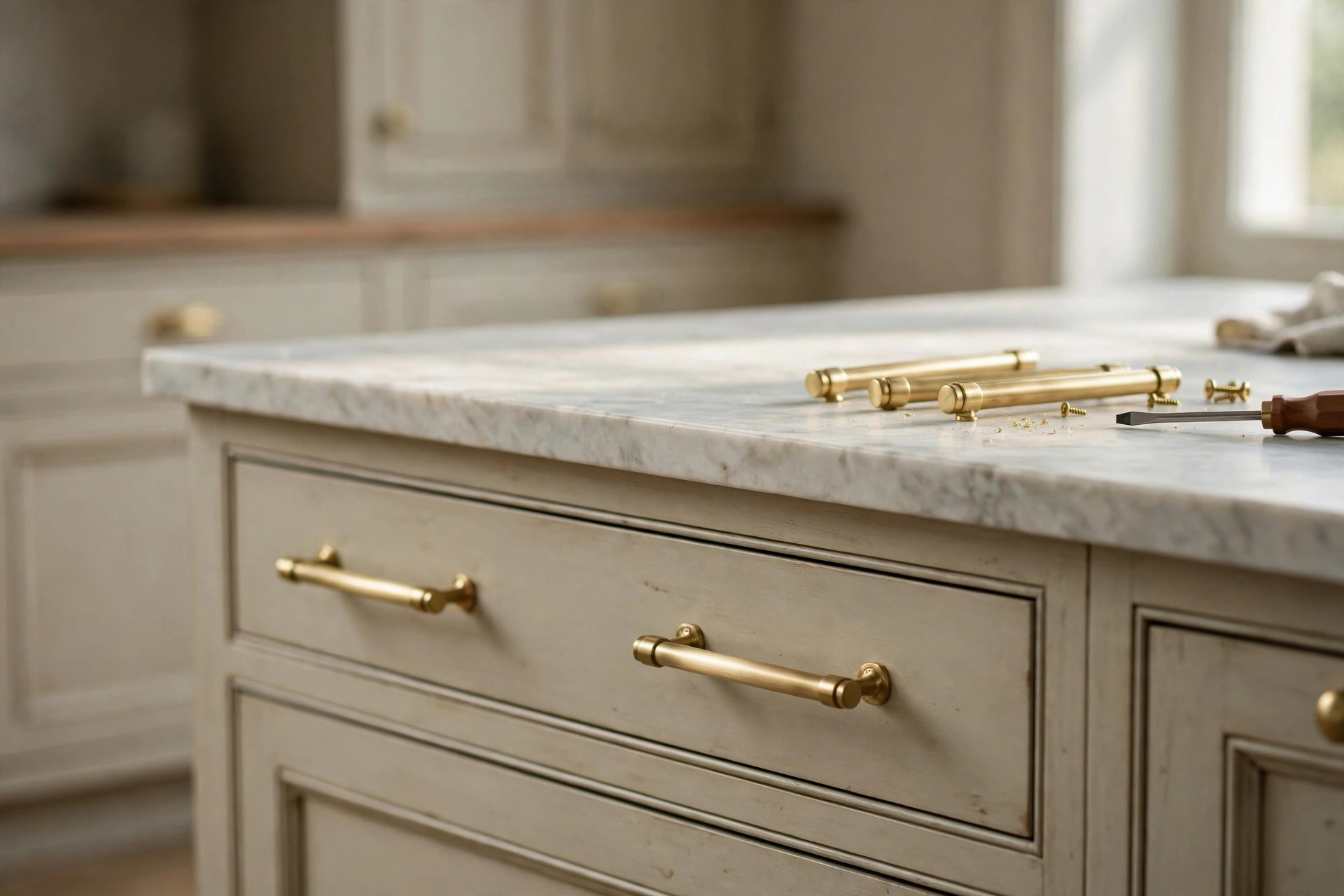
Swap just the most visible hardware first. If a full set feels like a stretch right now, start with the doors and drawers you see and use most, like the island or the run by the sink. A partial swap typically still freshens the room, as long as the new finish does not clash with what stays for now. You can always finish the rest later when you are ready.
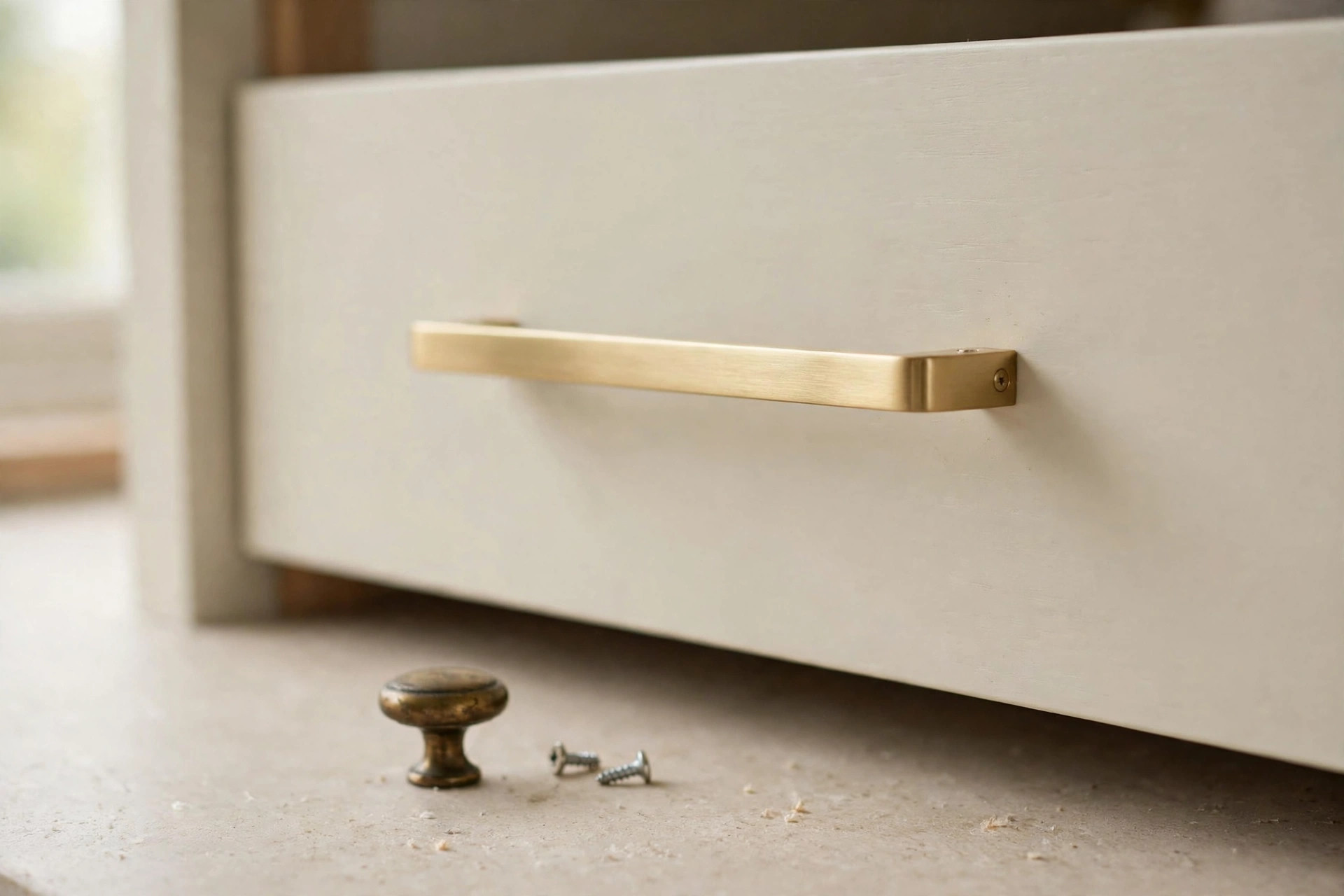
Reuse your existing holes whenever you can. Choosing knobs, or pulls with the same spacing as your old ones, usually saves you filling and drilling and keeps the job calm. Measure the distance between the screw holes carefully before you order, because that one number matters more than almost anything else. It is a small check that tends to make the whole swap feel easy.
Keeping Finishes Pretty
A little gentle care keeps most finishes looking good, and you really do not need a shelf full of special products to manage it. A minute now and then, usually while the kettle boils or the counters are being wiped, is typically all it takes to keep things looking fresh.
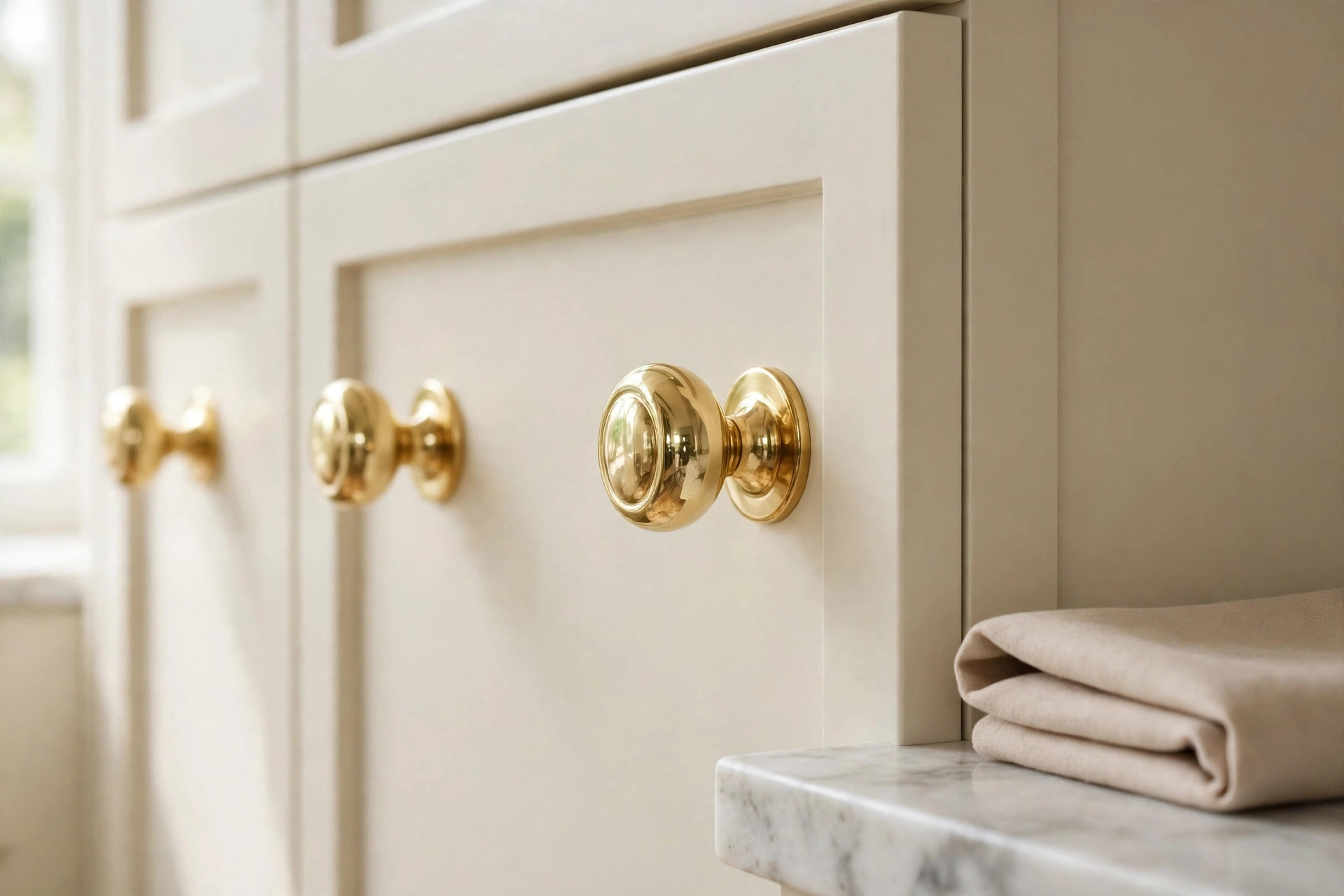
Wipe hardware with a soft, damp cloth and dry it after. Warm water and a touch of mild soap usually handle everyday fingerprints and cooking splashes just fine. Harsh sprays and rough pads can dull or scratch a finish over time, so it is kinder to keep things simple. A quick dry with a clean towel typically stops water spots, especially around the sink.
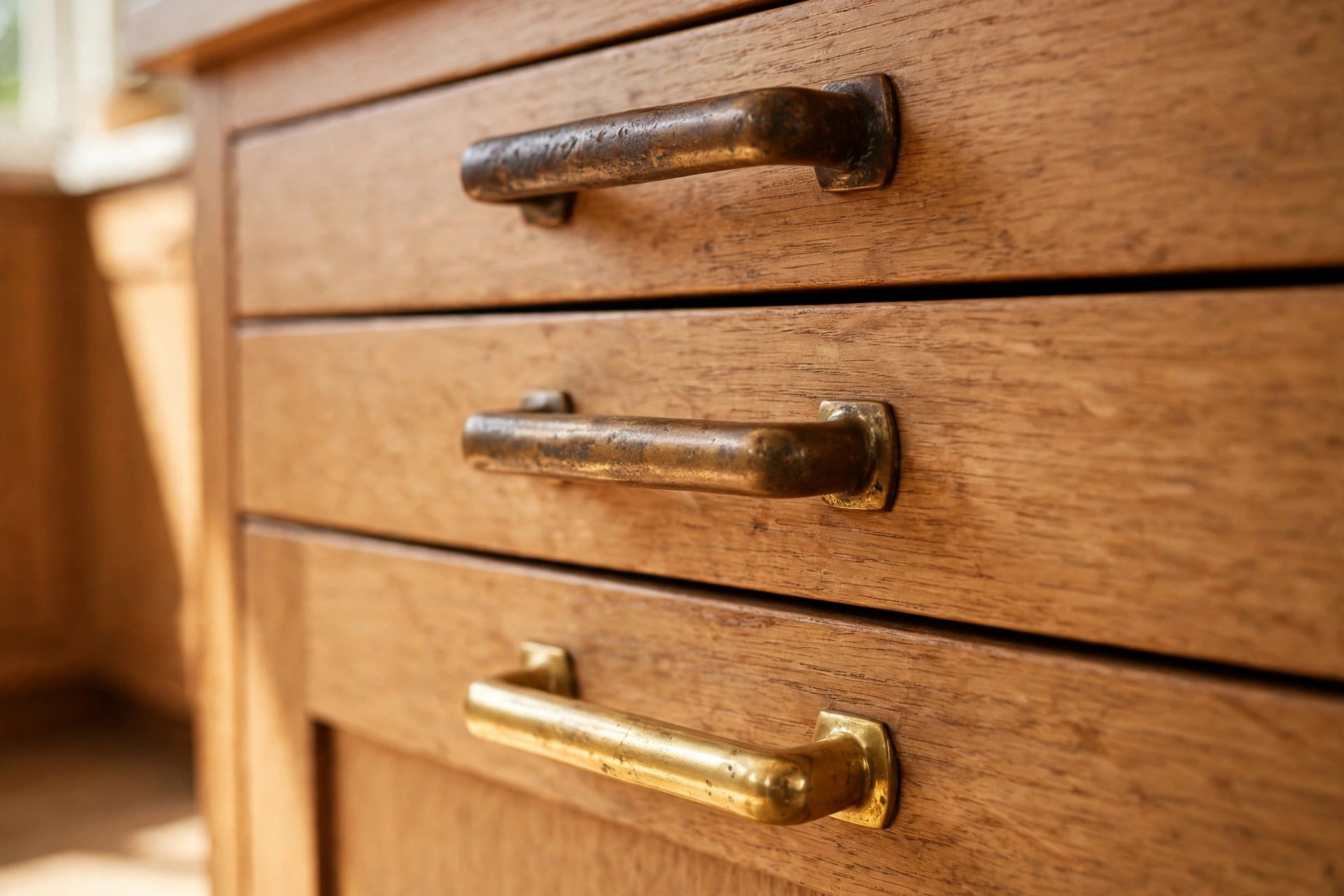
Expect living finishes to change, and embrace it a little. Unlacquered brass and real wood will usually deepen and shift tone as you use them, and many people find that change charming. If one side of the kitchen gets strong sun, that hardware may age a touch faster, which is normal. If you prefer everything to stay exactly the same, a lacquered or coated finish is typically the easier fit.
At the end of the day, the right kitchen cabinet hardware ideas are simply the ones that feel good in your hand and make you smile when you walk in. Start with one finish you love, keep your placement consistent, and do not overthink the rest. A small swap, done with care, can make a familiar kitchen feel fresh and welcoming again, and yours can absolutely feel that way too.





Leave a Reply